
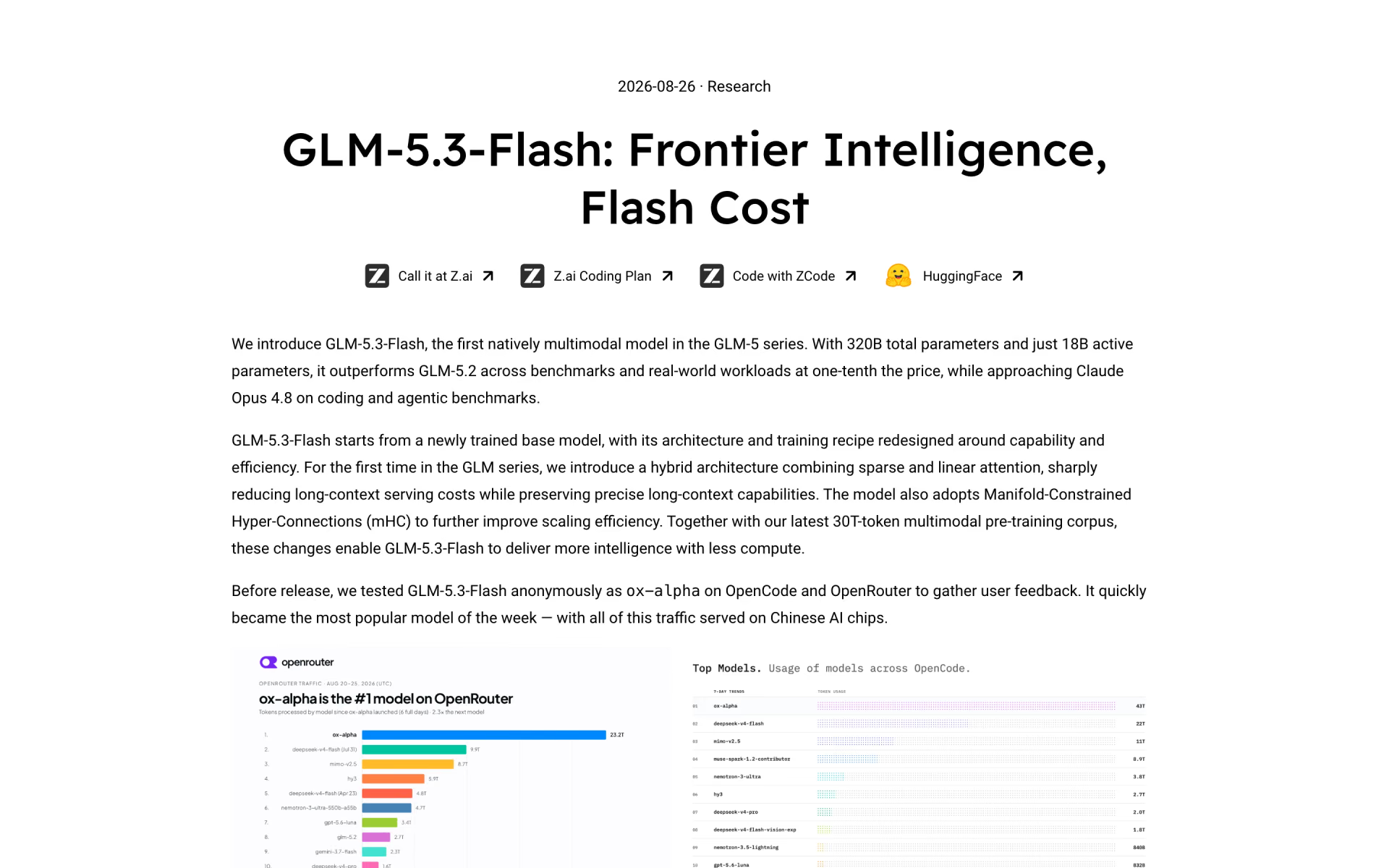
What is GLM-5.3-Flash?
GLM-5.3-Flash is the first model in Z.ai's GLM-5 series that reads images, video and files natively, not just text. It is a mixture-of-experts model with 320B parameters, 18B of them active per token, and it mixes linear and sparse attention to keep a 1M-token context cheap to serve. Z.ai says it beats GLM-5.2 on coding and agent tests at about a tenth of the price and comes close to Claude Opus 4.8.
It is Z.ai's newest model and the lighter sibling of GLM-5.3, which reads text only. On the GLM Coding Plan, requests for the older GLM-4.7 now run on Flash.
How is GLM-5.3-Flash different from GLM-5.3?
Flash is the cheaper, lighter model that also sees images and video; GLM-5.3 is Z.ai's text-only flagship for the hardest coding and security work.
- Price
- Flash costs $0.15 / $0.50 per million tokens; GLM-5.3 costs $1.4 / $4.4.
- Inputs
- Flash reads text, images, video and files; GLM-5.3 reads text only.
- Coding Plan
- Flash uses about a third of the credits GLM-5.3 does for the same tokens.
- Context
- Both take 1M tokens in and write up to 128K tokens.
- Serving cost
- Z.ai says Flash needs 3.0 times less attention compute and a 4.4 times smaller KV cache than GLM-5.3.
Who is GLM-5.3-Flash best for?
GLM-5.3-Flash is best for developers who want a low-cost model that reads screenshots, video and files as well as code, for visual front-end work, office documents and high-volume agent jobs.
Low-cost coding and agent work
At $0.15 / $0.50 per million tokens it costs about a ninth of GLM-5.3, and Z.ai says it beats GLM-5.2 on six coding and agent benchmarks.
Visual front-end and game work
It takes images and video natively, so it can look at the interface it built, see what is wrong and fix it.
Office and research documents
Z.ai trained it to plan and finish office, finance research and document tasks, with PPTX, PDF, DOCX and XLSX files as output.
Self-hosting under MIT
The weights are on Hugging Face under the MIT licence and run on SGLang, vLLM or TokenSpeed, though 320B parameters call for server-class hardware.
What's included with GLM-5.3-Flash?
Vision in the coding loop, office files as output, always-on reasoning with three effort levels, tool calls and caching, a faster FlashX option, and support in 20+ agent tools.
- Vision in the coding loop
- It inspects screenshots, rendered pages and screen recordings to test and fix its own front-end, game and Blender work.
- Office files as output
- It builds PPTX, PDF, DOCX and XLSX files, then renders them to catch overflow, overlaps and misaligned elements.
- Always-on reasoning
- Thinking cannot be turned off; you pick low, high or max effort, and max is the default.
- Tool calls and caching
- Function calling, streamed tool output, JSON mode and cached input at $0.03 per million tokens.
- Faster FlashX option
- GLM-5.3-FlashX runs at about 200 tokens a second for $0.37 / $1.25 per million tokens, but is not on the Coding Plan yet.
- Works in agent tools
- Through the GLM Coding Plan it runs in Claude Code, Cline, OpenCode, ZCode and 20+ other tools, at about a third of GLM-5.3's credits.
How much does GLM-5.3-Flash cost?
GLM-5.3-Flash costs $0.15 per million input tokens and $0.50 per million output tokens on Z.ai's API, or comes with the GLM Coding Plan from $18 a month, and its MIT-licensed weights are free to download.
- Cached input $0.03 per million tokens
- GLM-5.3-FlashX, at about 200 tokens a second: $0.37 / $1.25
- 1M-token context; video, image, file and text input
- 10,000 credits a week, up to 2,000 per 5 hours
- About 146M to 292M GLM-5.3-Flash tokens a week at a 95% cache hit rate
- GLM-5.3 included too
- 6 times Lite usage: 60,000 credits a week
- Curated MCP tools and faster generation
- Priority access to new flagship models
- 14 times Lite usage: 140,000 credits a week
- Dedicated resources at peak times
- First access to new flagship models
The GLM Coding Plan is 20% cheaper billed quarterly (Lite $14.4, Pro $64, Max $134.4 a month) and 30% cheaper billed yearly ($12.6, $56 and $117.6 a month). On the plan, GLM-5.3-Flash uses about a third of the credits GLM-5.3 does for the same tokens, and calls outside weekday peak hours (14:00 to 18:00 Singapore time) use half. Team seats cost $88 (Standard) or $188 (Premium) per seat per month. Subscriptions are not refundable. Full pricing on z.ai. We checked these prices on .
How do readers rate GLM-5.3-Flash?
No one has rated GLM-5.3-Flash yet. Be the first.
Sign in to rate. One rating per account.
GLM-5.3-Flash pros and cons
It is cheap, open and reads images and video, but users find it slow on Z.ai's API and prone to loops on long unattended runs.
Pros
- Cheap for what it does: $0.15 / $0.50 per million tokens, and users on Reddit and Hacker News call it one of the best-value models for coding.
- Several users say it solves coding and design problems that DeepSeek V4.1 Flash struggled with, and some now use it as their default model.
- Unlike GLM-5.3, it reads images, video and files natively, the first GLM-5 model to do so.
- MIT-licensed weights let other hosts serve it, and users report some run it much faster than Z.ai's own API.
Cons
- Slow on Z.ai's own API: many users report long waits and timeouts, and say it takes far longer per task than DeepSeek V4.1 Flash or Gemini Flash models.
- Several users see it loop or go in circles on long unattended agent runs, and one team rolled back a production move after it missed their output formats.
- Flash in name only for self-hosting: users say the full 320B model needs well over 256 GB of memory.
- Users report that it repeats Chinese government positions when asked about Chinese politics.
Is GLM-5.3-Flash open source?
Yes. GLM-5.3-Flash's code is public under the MIT licence, so you can run it on your own server.
What are the best GLM-5.3-Flash alternatives?
GLM-5.3-Flash is an open source alternative to Qwen3.8-Flash and Muse Spark 1.3. DeepSeek V4.1 Flash and Ornith-1.0 do the same job and are open source too.
 Qwen3.8-FlashFreemium
Alibaba's low cost multimodal Qwen model for coding and agents, 1M context.
 Muse Spark 1.3Paid
Meta's model for coding and long-running agents, on the API.
 DeepSeek V4.1 FlashOpen Source
Choose it when speed and long outputs matter more than the last cent; users find it faster, it writes up to 384K tokens, and it costs $0.15 / $0.60 off-peak, doubling at weekday peak hours.
 Ornith-1.0Open Source
Open-weight coding models from 9B to 397B that learn to write their own agent scaffolds.
 GLM-5.3Free
Choose it when you want Z.ai's flagship for the hardest coding and security work and only send text; it costs $1.4 / $4.4 per million tokens and uses about three times the Coding Plan credits.
 Gemini 3.8 FlashFree
Choose it when you need audio input or schema-enforced JSON from a hosted API; it reads text, images, video, audio and PDFs across 1M tokens and has a free tier, but its weights are closed.
Questions about GLM-5.3-Flash
What is GLM-5.3-Flash?
GLM-5.3-Flash is Z.ai's low-cost, open-weight model that reads images, video and files as well as text, built for coding agents, visual front-end work and office documents.
Who is GLM-5.3-Flash for?
GLM-5.3-Flash is best for developers who want a low-cost model that reads screenshots, video and files as well as code, for visual front-end work, office documents and high-volume agent jobs.
Is GLM-5.3-Flash free?
Partly. GLM-5.3-Flash's weights are free on Hugging Face under the MIT licence, and it is the default model in Z.ai's free chat app at chat.z.ai. The API costs $0.15 per million input tokens and $0.50 per million output tokens, and the GLM Coding Plan starts at $18 a month.
How much does GLM-5.3-Flash cost?
GLM-5.3-Flash's paid plans are API at $0.15 / $0.50 per million input / output tokens, Coding Plan Lite at $18 per month, Coding Plan Pro at $80 per month and Coding Plan Max at $168 per month.
Is GLM-5.3-Flash open source?
Yes. GLM-5.3-Flash's code is public under the MIT licence, so you can run it on your own server.
What are the best GLM-5.3-Flash alternatives?
The closest alternatives on Recaply are Qwen3.8-Flash, Muse Spark 1.3, DeepSeek V4.1 Flash, Ornith-1.0, GLM-5.3 and Gemini 3.8 Flash.
Where can I try GLM-5.3-Flash?
On its official website, z.ai.
Can I use GLM-5.3-Flash in Claude Code?
Yes. The GLM Coding Plan, from $18 a month, works in Claude Code, Cline, OpenCode, Z.ai's own ZCode and other agent tools, and includes both GLM-5.3-Flash and GLM-5.3. On the plan, Flash uses about a third of the credits GLM-5.3 does.
Can I run GLM-5.3-Flash locally?
Yes. Its MIT-licensed weights are on Hugging Face and run in SGLang, vLLM, TokenSpeed, Transformers, KTransformers and Unsloth. It has 320B parameters with 18B active per token, so plan for a multi-GPU server or a large-memory workstation rather than a single consumer graphics card.
Is GLM-5.3-Flash the same as Ox Alpha?
Yes. Z.ai tested GLM-5.3-Flash anonymously as ox-alpha on OpenCode and OpenRouter before its launch, so early reviews and benchmark posts about Ox Alpha describe this model.
Does GLM-5.3-Flash support structured JSON output?
Partly. Z.ai's API has a JSON mode that returns valid JSON, with the fields you want described in the prompt, but no documented option that enforces a schema. Validate the output in your own code, or pick a model with schema-enforced output if your app depends on it.
Our verdict
GLM-5.3-Flash is one of the cheapest ways to get strong coding and native vision in one open model, as long as you can wait for answers.
Z.ai's own tests put it well ahead of GLM-5.2 and close to Claude Opus 4.8 on coding and agent work, at $0.15 / $0.50 per million tokens with MIT-licensed weights.
- Skip it for
- Latency-sensitive apps and long unattended agent runs, where users report slow answers, timeouts and loops.
- Check first
- Run your own long agent tasks on it before you move production work, since benchmark wins did not carry over for every team.

 Gemini 3.1 Flash-Lite
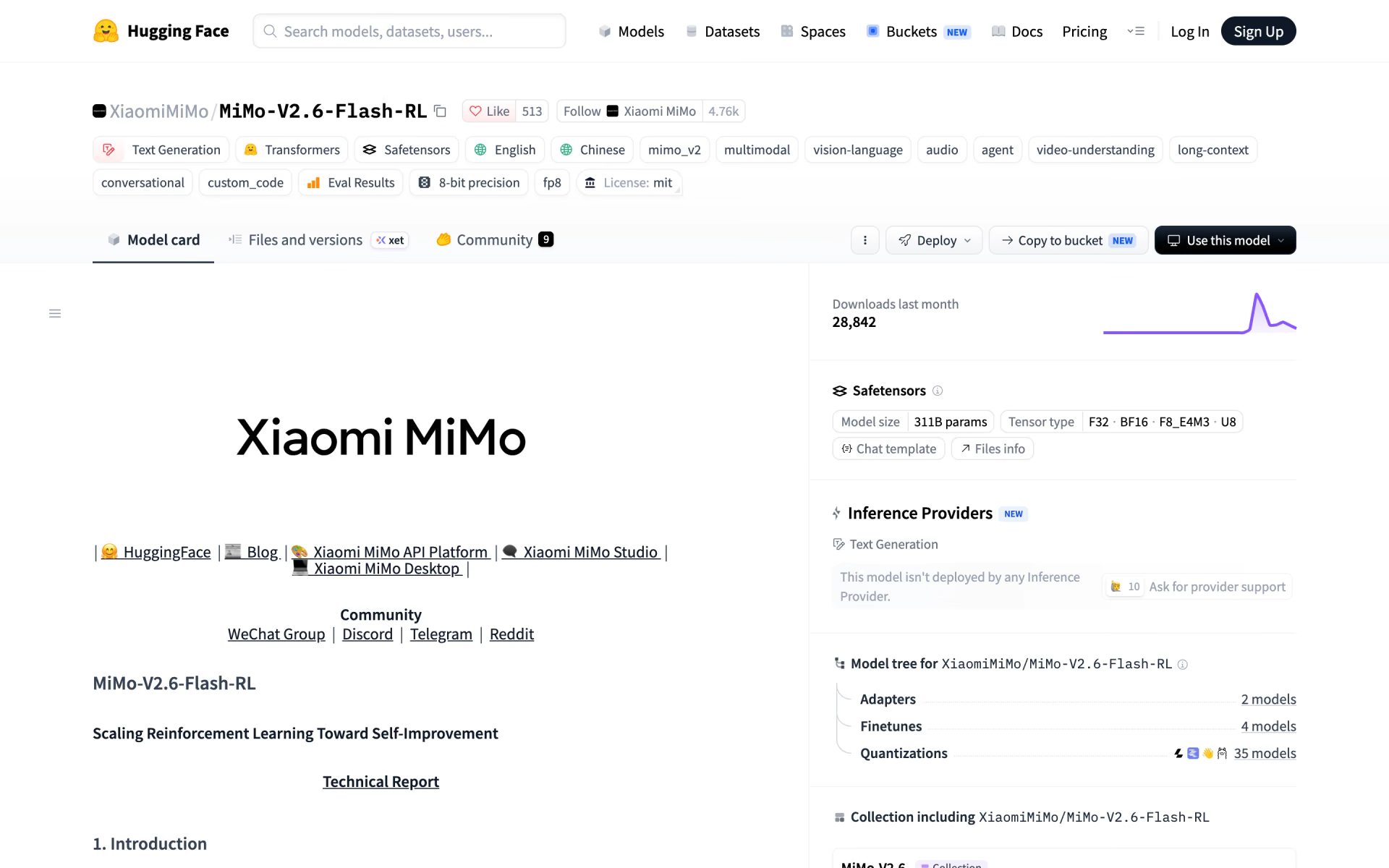
 MiMo-V2.6-Flash

 Kimi K3

 Qwen3.6-Plus
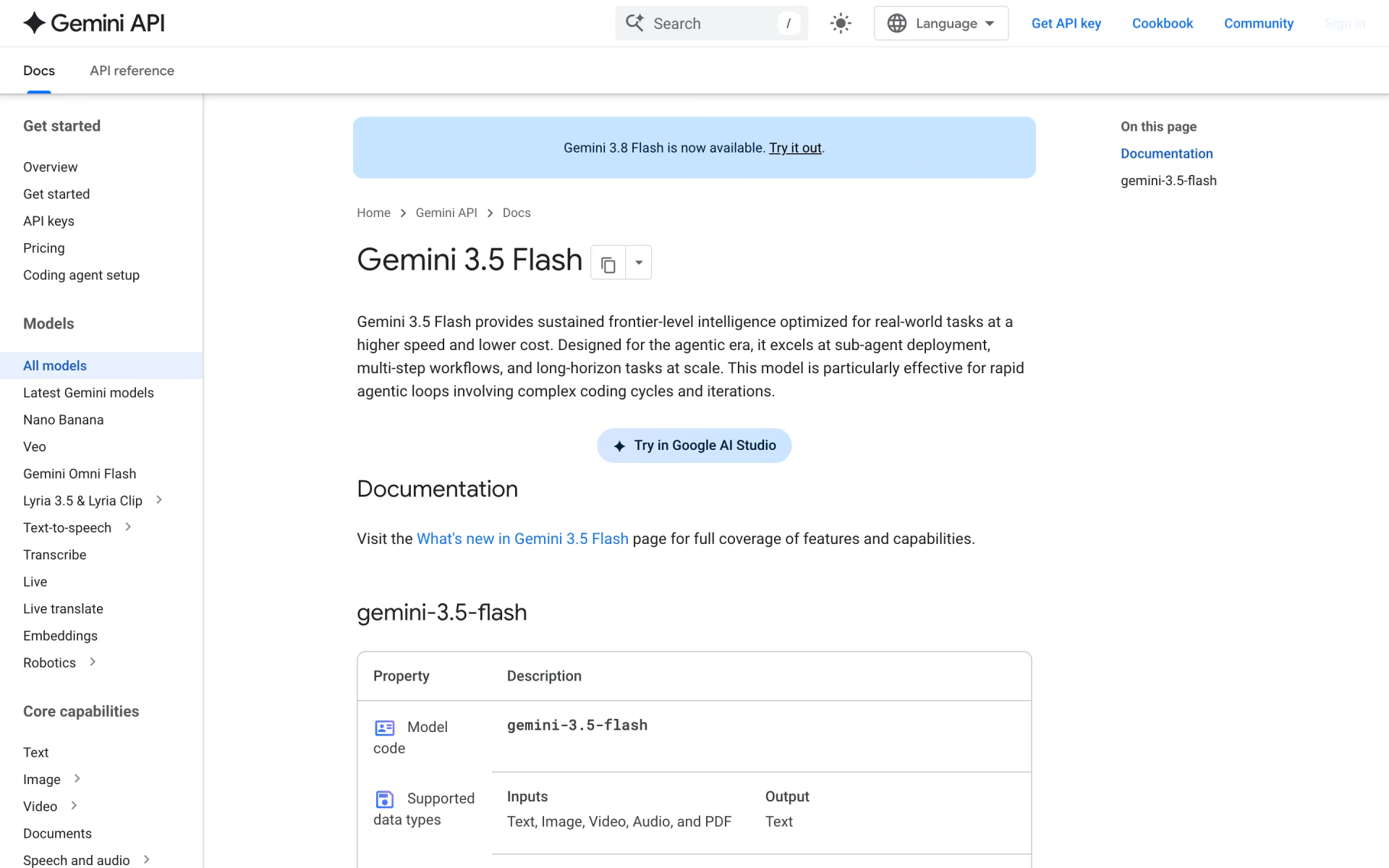
 Gemini 3.5 Flash
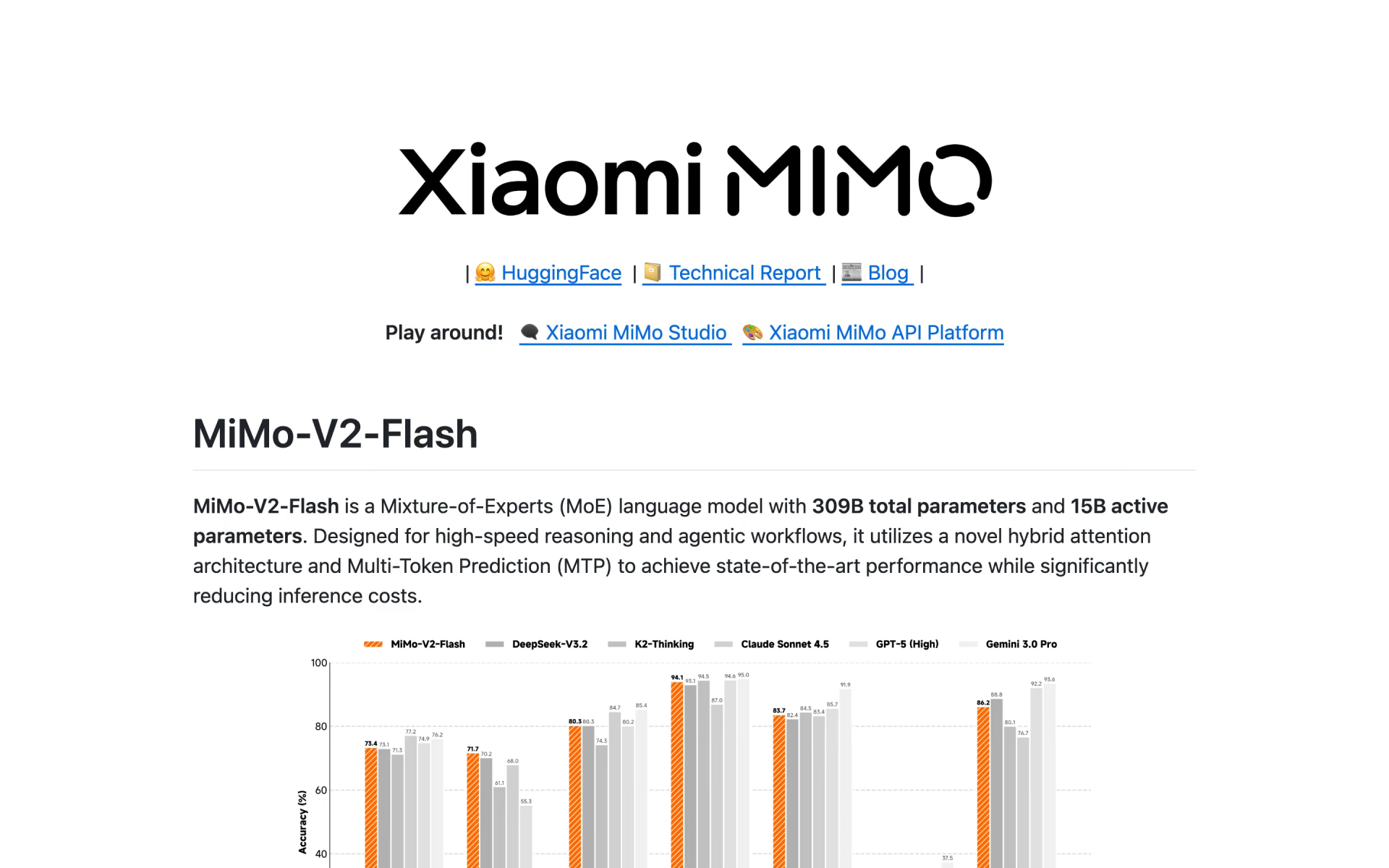
 MiMo-V2-Flash