

What is Warp 2.0?
Warp's terminal with coding agents, code review and cloud automation.
Who is Warp 2.0 best for?
Warp 2.0 is best for developers who work in the terminal and want coding agents in the same window.
Developers who live in the terminal
The terminal itself is free and open source, with Warp's coding agent and CLI built in, on Mac, Linux and Windows.
Picking a model per task
You can run different tasks on different models side by side, or switch models partway through a task, across OpenAI, Anthropic, Google and open-weight options.
Teams automating review and bug triage
Mention @Warp in Slack, Linear or GitHub and an agent investigates the bug, suggests a fix or opens a pull request.
Developers with their own API keys
Even the Free plan lets you plug in your own OpenAI, Anthropic or Google key, or an OpenAI-compatible gateway, instead of buying Warp credits.
How much does Warp 2.0 cost?
Warp 2.0 is free as a terminal, and its paid plans cost $20 a month for Build, $200 a month for Max or $50 per user a month for Business, each with monthly credits for Warp's coding agent.
- Terminal and Warp Agent CLI
- Use your own AI keys, or buy credits as you go
- Limited cloud agents, Warp Drive and conversation storage
- 1,500 credits a month, worth $20 of agent use at API rates
- Frontier and open-source models from OpenAI, Anthropic, z.ai and others
- Unlimited Warp Drive and cloud conversation storage
- 1,500 credits per seat a month
- SAML SSO, admin data controls and team usage metrics
- Up to 25 seats
- 18,000 credits a month, worth $240 of agent use
- 12 times the included usage of Build
- Volume discounts and auto-reload on extra credits
Billed yearly, Build is $18, Business $45 per user and Max $180 a month (10% off). Paid prices are starting points: any plan can buy extra credits, which roll over and last 12 months, and the Free plan pays 20% more per credit than paid plans. Enterprise is priced on request and adds unlimited seats, shared credit pools, self-hosted cloud agents and inference in your own cloud. Warp Factories, for running fleets of agents, is in early access: pay as you go with a 20% markup, or drawn from a paid plan's credits at API rates. Full pricing on warp.dev. We checked these prices on .
How do readers rate Warp 2.0?
No one has rated Warp 2.0 yet. Be the first.
Sign in to rate. One rating per account.
What are the best Warp 2.0 alternatives?
One tool on Recaply does Warp 2.0's job. It is open source, so you can run it on your own server.

Questions about Warp 2.0
What does a Warp credit cover?
A Warp credit pays for agent requests, whether the agent runs in the app, the CLI or the cloud. On Build, 1,500 credits cover $20 of usage at API rates. How many credits a task uses depends on the model, the size of the job and how much code it reads.
Who is Warp 2.0 for?
Warp 2.0 is best for developers who work in the terminal and want coding agents in the same window.
Is Warp 2.0 free?
Yes. Warp 2.0 has a free plan: terminal and Warp Agent CLI.
How much does Warp 2.0 cost?
Warp 2.0's paid plans are Build at $20 per month, Business at $50 per user per month and Max at $200 per month.
Is there an open source alternative to Warp 2.0?
Yes. Open Interpreter is an open source tool that does the same job, so you can run your own.
What are the best Warp 2.0 alternatives?
The closest alternatives on Recaply are Open Interpreter.
Where can I try Warp 2.0?
On its official website, warp.dev.
Can I use Warp with my own AI API keys?
Yes. Warp lets you connect your own OpenAI, Anthropic or Google key, a SuperGrok subscription, or an OpenAI-compatible endpoint such as OpenRouter, even on the Free plan. Enterprise can also run models hosted in your own cloud, such as AWS Bedrock.
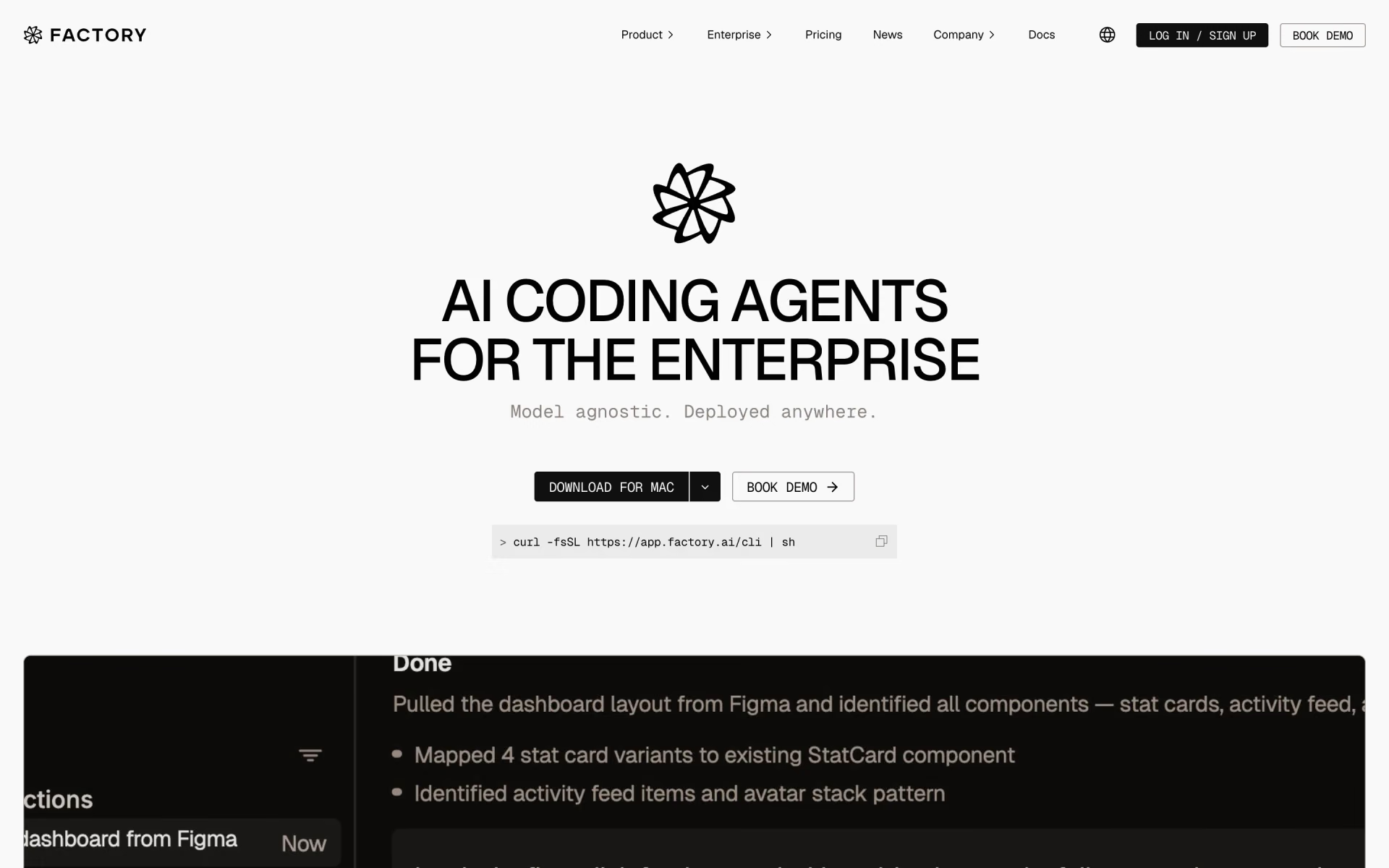
 Factory 2.0
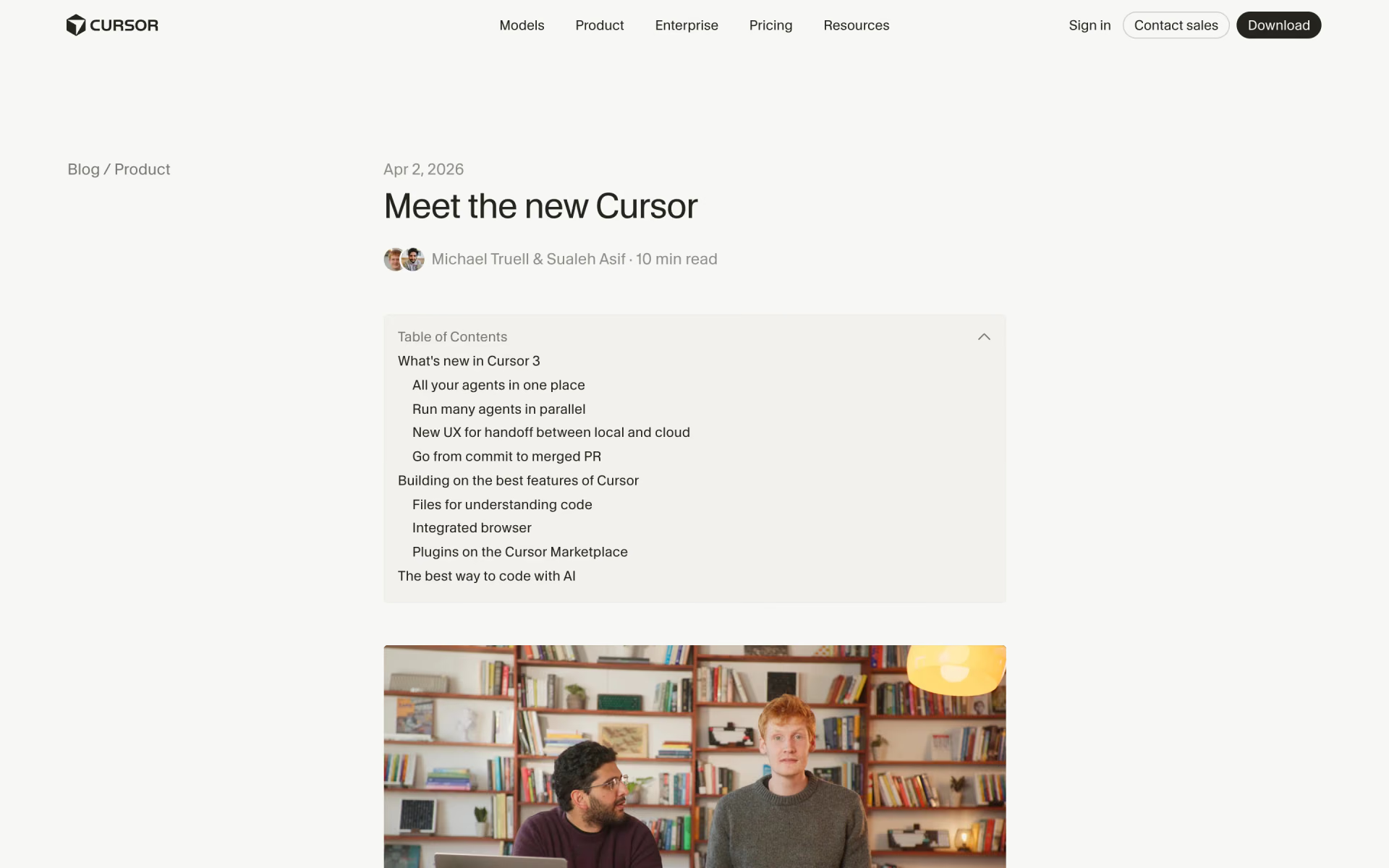
 Cursor 3
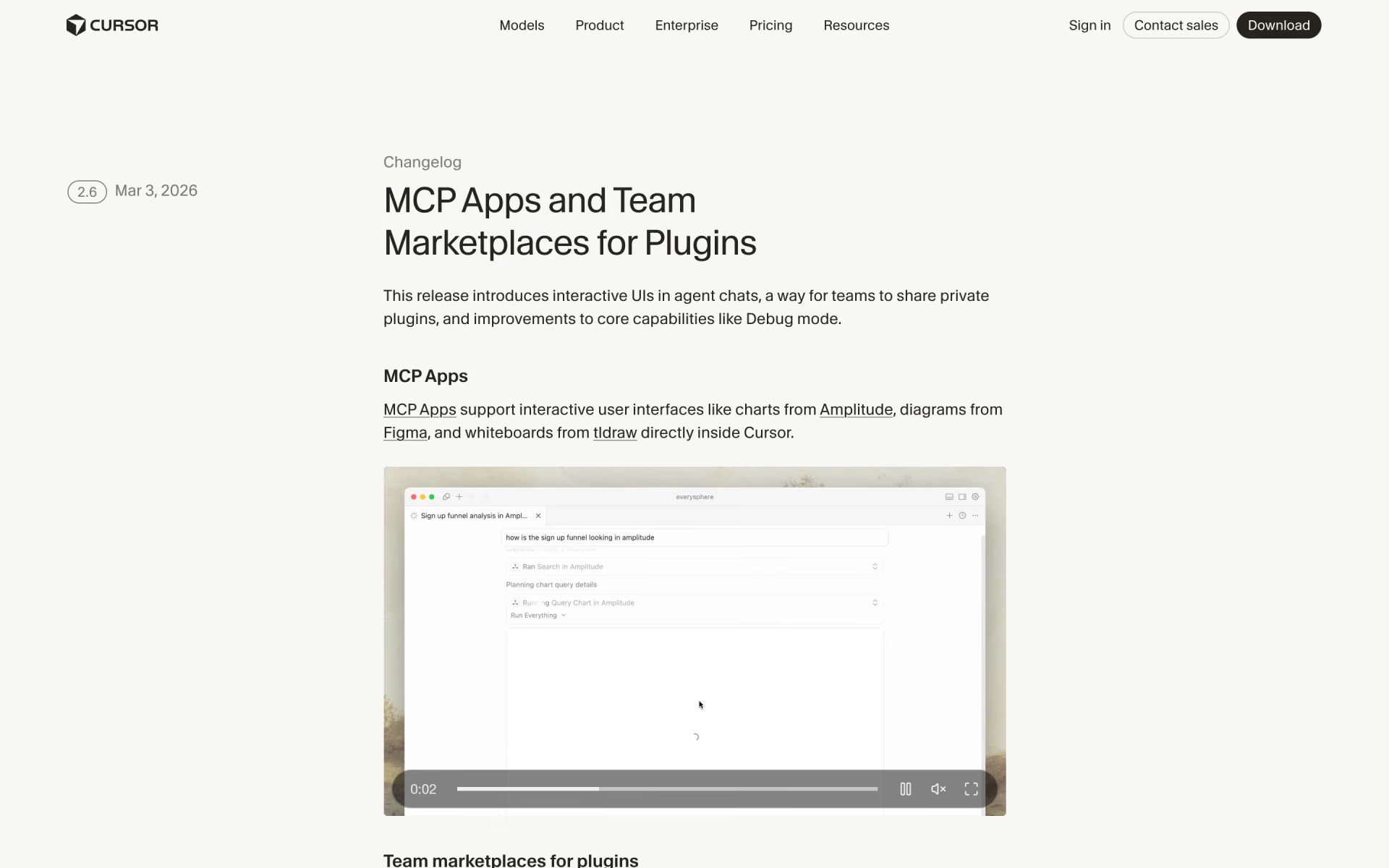
 Cursor 2.6
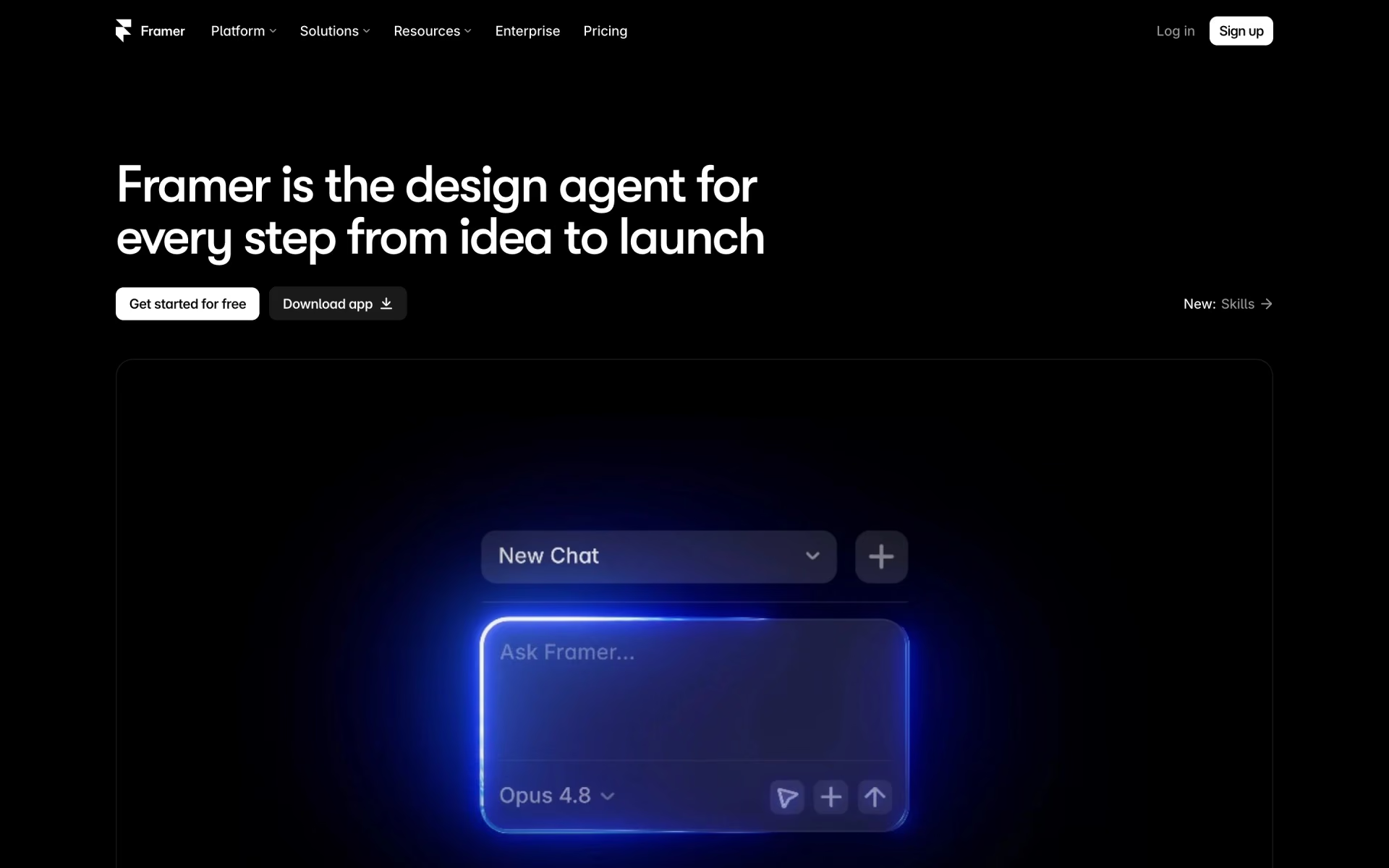
 Framer 3.0

 Antigravity 2.0
 Cursor 2.0