

What is Grok Voice Think Fast 2.0?
Grok Voice Think Fast 2.0 is the model behind xAI's Speech to Speech API; xAI now brands itself SpaceXAI. One model hears the caller and answers over a WebSocket, instead of chaining speech-to-text, a language model and text-to-speech, and it reasons while it speaks, so tool calls usually fire before its first sentence ends.
It is xAI's current flagship voice model, and the grok-voice-latest alias now points to it instead of Think Fast 1.0. Against OpenAI's and Google's voice models, its case is agent work on noisy phone lines, billed at one flat rate per minute rather than per token.
What changed from Grok Voice Think Fast 1.0?
Faster replies, better turn-taking and tool use, more accurate hearing and leaner reasoning, with no prompt changes needed.
- Speed
- Time to first audio fell from 1.25 seconds to 0.70 in xAI's launch table.
- Conversation
- Full Duplex Bench rose from 77.8% to 95.1%, and xAI trained it to use shorter sentences and ask one question at a time.
- Agent tasks
- τ-voice Bench rose from 52.1% to 56.5%, and it uses 0.4x the reasoning tokens per reply.
- Transcription
- xAI measured 1.4x better accuracy than Think Fast 1.0 across 24 languages, with the biggest gains in noisy audio.
Who is Grok Voice Think Fast 2.0 best for?
Grok Voice Think Fast 2.0 is best for developers building phone sales and support agents that must look things up or act mid-call, on noisy lines and in many languages.
Phone sales and support lines
It was tuned for background noise and compressed phone audio, and it takes calls over SIP from Twilio, Telnyx, Plivo or your own carrier.
Agents that act during the call
It reasons while it speaks, so calls to web search, X search, MCP servers or your own functions usually fire before its first sentence ends.
Callers in many languages
It handles 20+ languages, picks up the caller's language on its own and answers in it.
Apps already on Grok Voice or OpenAI Realtime
The grok-voice-latest alias now serves it without prompt changes, and moving from OpenAI Realtime takes a new base URL, API key and voice model.
What's included with Grok Voice Think Fast 2.0?
Tools during the call, phone calls over SIP, 28 voices plus cloning, hearing and pronunciation controls, session resumption, a no-code agent builder and OpenAI Realtime compatibility.
- Tools mid-call
- Each session can use web search, X search, your document collections, remote MCP servers and your own functions.
- Phone calls over SIP
- Point your own number and SIP trunk at xAI, with native G.711 audio so phone calls need no transcoding.
- 28 voices plus cloning
- It shares 28 built-in voices with xAI's text-to-speech API, and you can clone a voice from a clip of up to 120 seconds.
- Hearing and pronunciation controls
- Up to 100 key terms and a language hint steer what it hears, and replacement rules fix how it says brand names.
- Session resumption
- An opt-in cache replays the conversation after a dropped connection, kept for 30 minutes of inactivity.
- No-code Voice Agent Builder
- A console tool, launched as a beta, builds an agent from a prompt, documents, tools and guardrails, with recorded and transcribed calls.
- OpenAI Realtime compatible
- Apps written for OpenAI's Realtime API switch over by changing the base URL, the API key and the model name.
How much does Grok Voice Think Fast 2.0 cost?
Grok Voice Think Fast 2.0 costs $0.08 per minute of audio ($4.80 an hour) on the xAI API, plus $0.004 for each text message sent into a session, paid from prepaid API credits.
- $4.80 per hour of audio
- $0.004 per text input sent into a session
- Paid from prepaid xAI API credits
Sessions that use automatic turn detection are billed for their full length; push-to-talk sessions are billed only for audio sent and received. Tool results your app sends back are not billed as text inputs. Agents built in xAI's Voice Agent Builder pay the same audio rate, and calls on the free number each account gets add $0.01 a minute. Usage comes out of prepaid API credits (auto top-ups from $5; monthly invoicing on request), and up to 30 custom voices are free to create. Prices are in US dollars. Full pricing on docs.x.ai. We checked these prices on .
How do readers rate Grok Voice Think Fast 2.0?
No one has rated Grok Voice Think Fast 2.0 yet. Be the first.
Sign in to rate. One rating per account.
Grok Voice Think Fast 2.0 pros and cons
It leads xAI's own table on agent tasks and answers faster than Think Fast 1.0, but team session limits, a single US region and a higher per-minute price than OpenAI and Google options need checking.
Pros
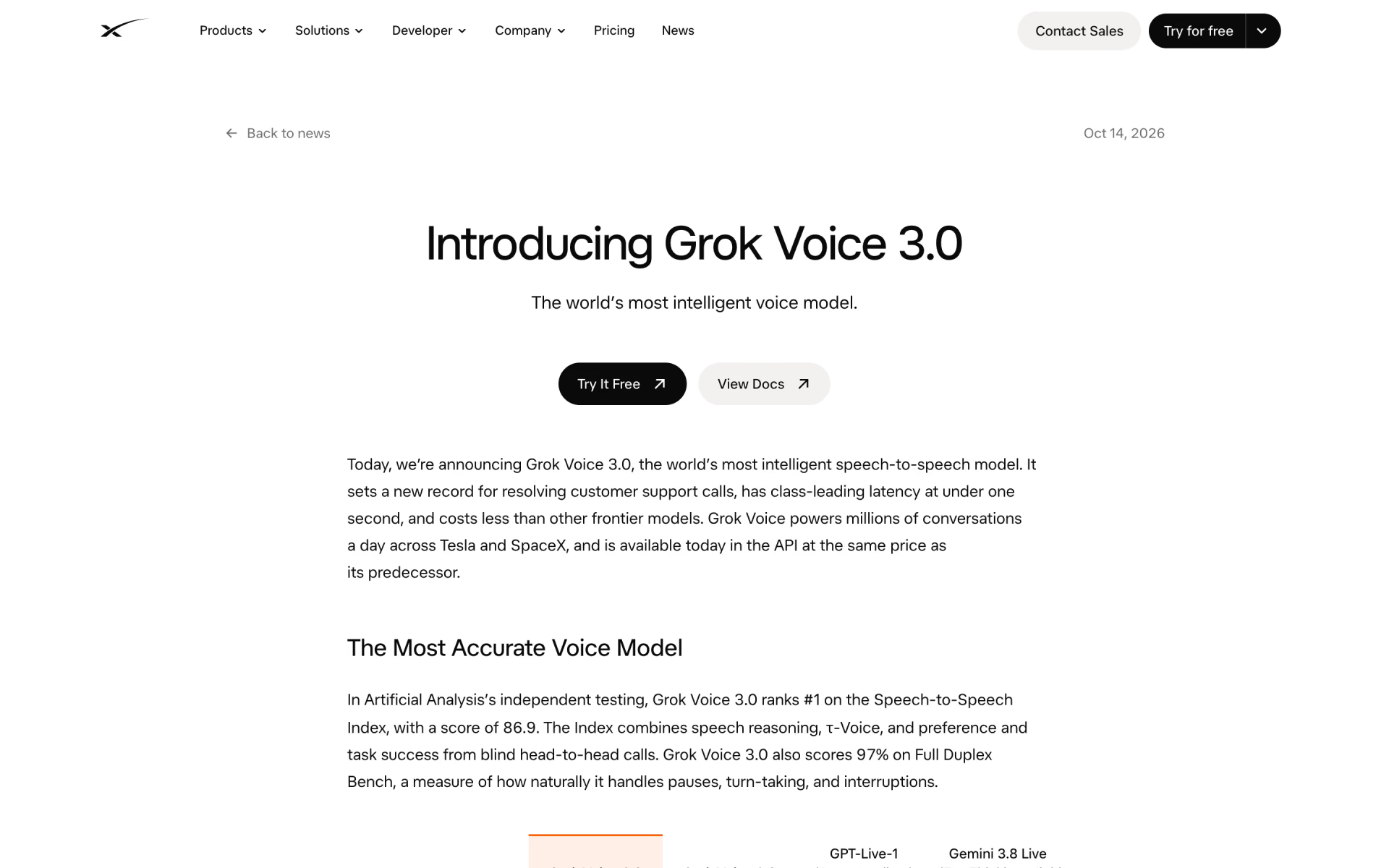
- Leads the agent test in xAI's launch table: 56.5% on τ-voice Bench, against 45.7% for GPT-Realtime-2.1 and 37.7% for Gemini 3.1 Flash.
- Answers faster than Think Fast 1.0 (0.70 seconds to first audio against 1.25) while spending 0.4x the reasoning tokens per reply, so tool calls land early in the turn.
- One flat per-minute rate with voices included, where OpenAI's GPT-Realtime-2 bills audio in and out by the token.
- Hacker News users who talk to Grok's voice rate it smarter than other providers' voice modes, though few public reviews of the 2.0 API itself exist yet.
Cons
- Hard limits of 10 concurrent sessions per team and 120 minutes per session; larger call volumes need a rate limit increase from xAI.
- Runs only in xAI's us-east-1 cluster, which can rule it out where call audio must be processed in another region.
- Costs more per minute than GPT-Live-1 ($0.05) and Gemini 3.8 Live (about $0.023 for a minute of audio in and out), and sessions with automatic turn detection are billed for their whole length.
- Takes audio and text only, so an agent cannot look at a photo or document image during the call as GPT-Realtime-2 can.
What are the best Grok Voice Think Fast 2.0 alternatives?
GPT-Realtime-2 for image input on OpenAI, Gemini 3.8 Live for a free tier and lower audio prices, and GPT-Live-1 for a cheaper per-minute voice layer.
 GPT-Realtime-2Paid
Choose it when your agent also needs to see images during a call or you want token billing on OpenAI; audio costs $32 / $64 per million input / output tokens, with a 128,000-token context.
 Gemini 3.8 LiveFree
Choose it when price matters most: it has a free tier, and paid audio works out to about $0.005 a minute in and $0.018 a minute out.
 GPT-Live-1Paid
Choose it when you want a cheaper voice layer at $0.05 a minute, billed by the second, that hands reasoning and tools to a backend model you pick and pay for separately.
Questions about Grok Voice Think Fast 2.0
What is Grok Voice Think Fast 2.0?
Grok Voice Think Fast 2.0 is xAI's speech-to-speech model for developers building phone and app voice agents that reason and call tools while they talk, billed at $0.08 a minute.
Who is Grok Voice Think Fast 2.0 for?
Grok Voice Think Fast 2.0 is best for developers building phone sales and support agents that must look things up or act mid-call, on noisy lines and in many languages.
Is Grok Voice Think Fast 2.0 free?
No. Grok Voice Think Fast 2.0 is a paid tool, from $0.08 per minute of audio.
How much does Grok Voice Think Fast 2.0 cost?
Grok Voice Think Fast 2.0's paid plans are Speech to Speech at $0.08 per minute of audio.
What are the best Grok Voice Think Fast 2.0 alternatives?
The closest alternatives on Recaply are GPT-Realtime-2, Gemini 3.8 Live and GPT-Live-1.
Where can I try Grok Voice Think Fast 2.0?
On its official website, x.ai.
Can Grok Voice Think Fast 2.0 answer phone calls?
Yes. Through the API you register your own number and point a Twilio, Telnyx, Plivo or other SIP trunk at xAI, and the agent can transfer callers onward. xAI's no-code Voice Agent Builder also gives each account a free number, with calls on it billed at $0.01 a minute on top of the audio rate.
Does Grok Voice Think Fast 2.0 replace Think Fast 1.0?
Yes. The grok-voice-latest alias now serves Grok Voice Think Fast 2.0, and xAI says most apps improve without prompt changes. xAI's launch post told teams to pin grok-voice-think-fast-1.0 to stay on the old model, but the current model list in the docs names only Think Fast 2.0.
How is Grok Voice Think Fast 2.0 billed?
By session time at $0.08 a minute, plus $0.004 for each text item your app sends. With automatic turn detection the whole session is billed; push-to-talk sessions are billed only for audio sent and received. Tool results your app returns to the model are not billed.
Can Grok Voice Think Fast 2.0 use my own voice?
Yes. Besides its 28 built-in voices, you can clone a voice from a clip of up to 120 seconds, and xAI recommends 90 seconds or more. The console lets you create up to 30 custom voices for free, and they work in both the voice agent and text-to-speech APIs.
Grok Voice Think Fast 2.0 vs GPT-Realtime-2: which is better for agents?
On xAI's launch table, Grok Voice Think Fast 2.0 scores 56.5% on τ-voice Bench against 45.7% for GPT-Realtime-2.1, while GPT-Realtime-2.1 edges it on Full Duplex Bench, 95.7% to 95.1%. GPT-Realtime-2 accepts images and bills per token; Grok bills a flat $0.08 a minute.
Our verdict
Grok Voice Think Fast 2.0 is a strong pick for phone agents that must look things up and act during a call.
In xAI's own launch table it beats GPT-Realtime-2.1 and Gemini 3.1 Flash on agent tasks and starts speaking in 0.70 seconds, at one flat $0.08 a minute.
- Skip it for
- Call centres that need more than 10 calls at once, teams whose audio must stay outside the US, or builders who want the lowest price per minute.
- Check first
- Check the per-team session limit and run your hardest call flow in the console before you commit.
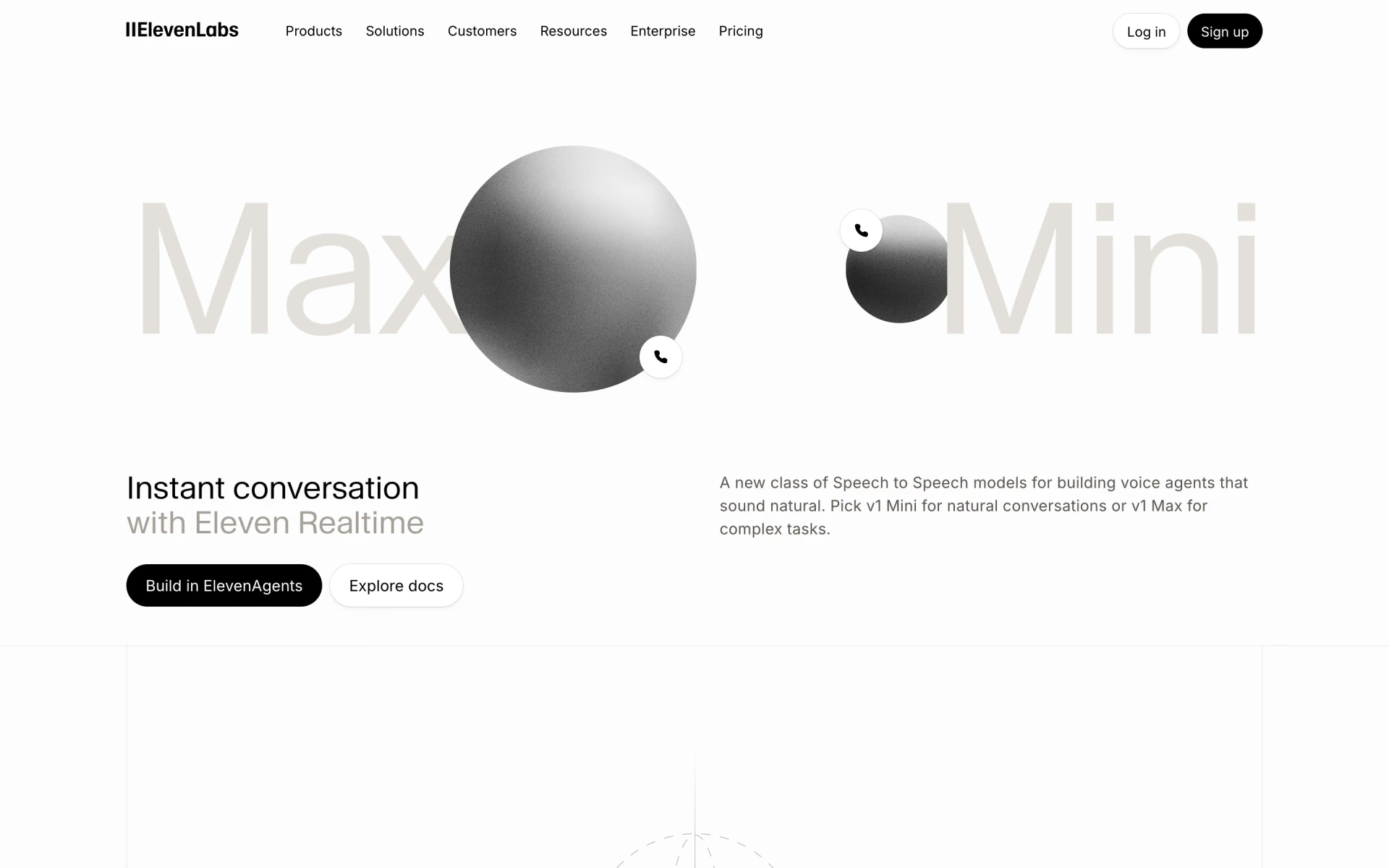
 Eleven Realtime
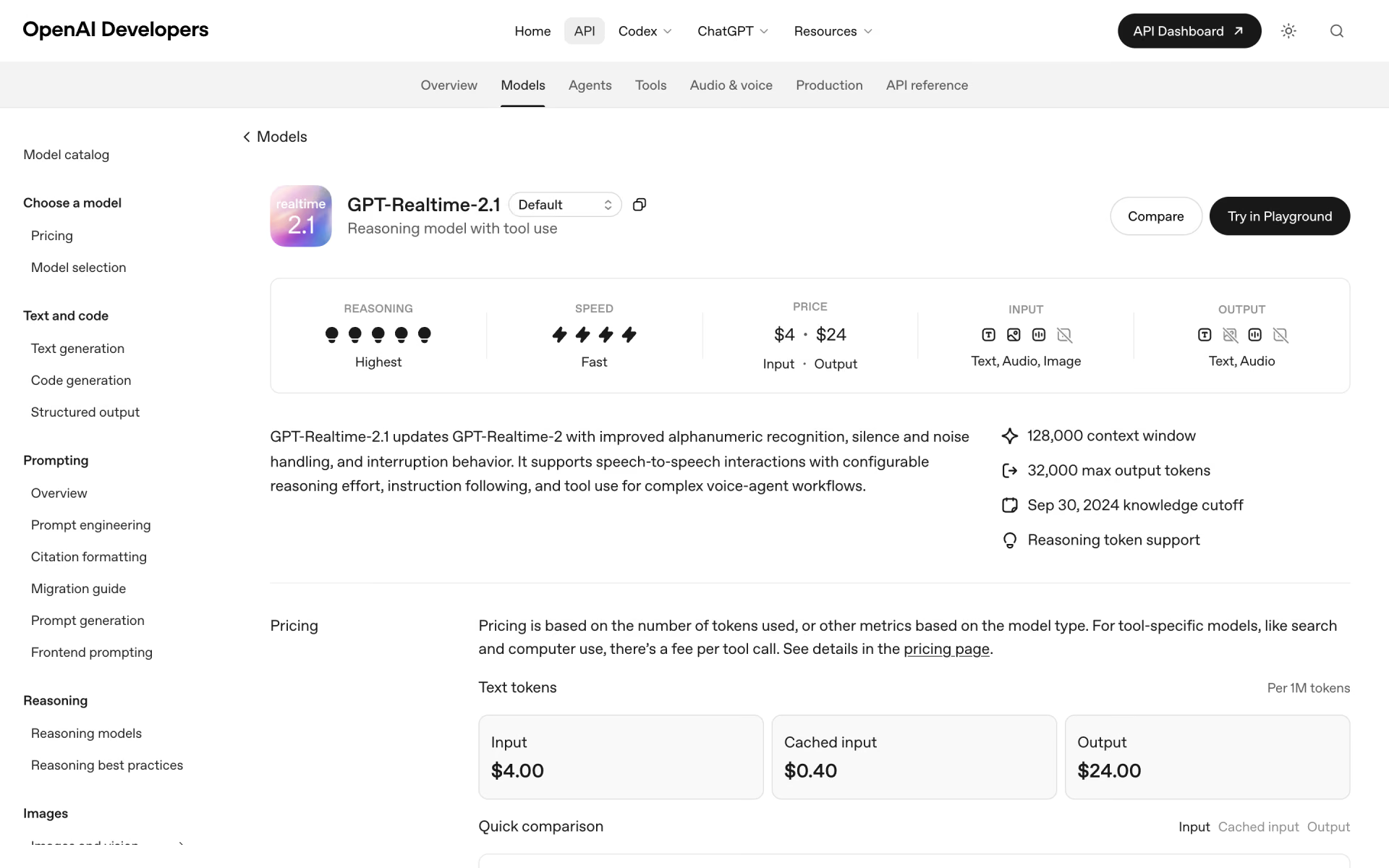
 GPT-Realtime-2.1

 Scribe v2 Realtime
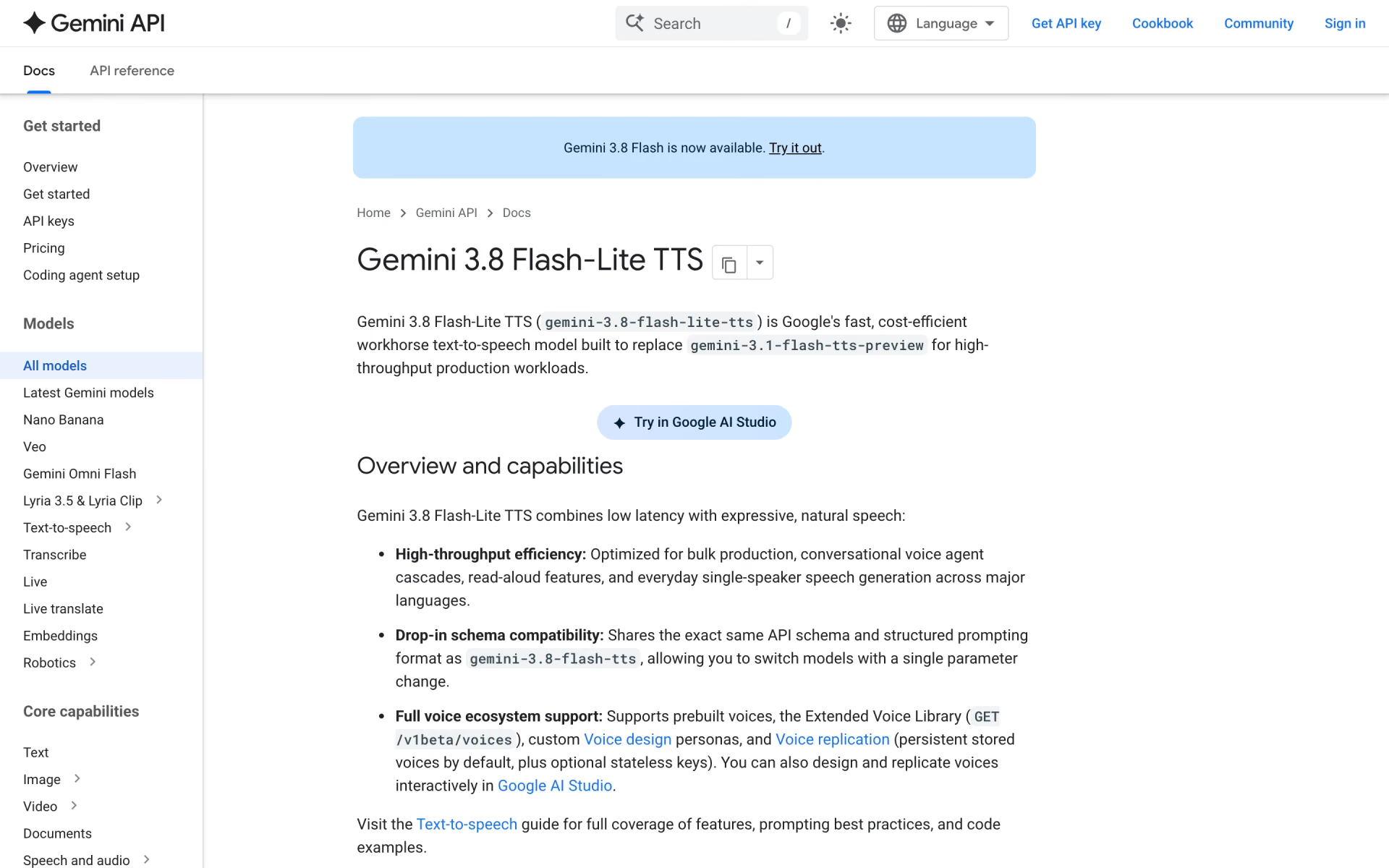
 Gemini 3.8 Flash-Lite TTS

 AssemblyAI-TTS-1