

What is Scalar?
Interactive API reference docs and an offline API client, both built from your OpenAPI file.
Who is Scalar best for?
Scalar is best for API teams that want reference docs and a test client built from one OpenAPI file.
API reference pages
Point it at an OpenAPI or AsyncAPI document and it renders reference docs with request testing built in; Swagger 2.0 files are upgraded on load.
Moving off Swagger UI or Redoc
Scalar reads the same OpenAPI document, so the maker says switching is usually a one-line change.
Testing against the spec
The offline-first API Client works from your OpenAPI document, with environments, dynamic variables, scripts and tests.
Docs and SDKs for public APIs
The hosted plans add custom domains, Git Sync, hosted MCP servers and typed SDKs in TypeScript, Python, Go, Java, Kotlin and Ruby.
How much does Scalar cost?
Scalar's API Reference and API Client are free and MIT licensed to host yourself; hosted plans start free for small APIs, then cost $150 a month for Pro and $600 a month for Business.
- API Reference from OpenAPI or AsyncAPI
- API Client for desktop and browser
- MIT licence
- Up to 3 APIs and 1 editor seat
- 1 SDK up to 25 endpoints
- 50 Agent Scalar credits
- 5 editor seats, up to 15 APIs
- Custom domains, Git Sync, hosted MCP servers
- 500 Agent Scalar credits
- 10 editor seats, up to 25 APIs
- SSO and subpath hosting
- 2,000 Agent Scalar credits
Billed yearly, Pro is $125 and Business $500 a month. Enterprise is priced on request. New teams get a 7-day trial with Pro limits; after it, publishing a hosted Docs site needs a paid plan. Each extra SDK costs $150 a month up to 100 endpoints or $600 a month up to 250. Full pricing on scalar.com. We checked these prices on .
How do readers rate Scalar?
No one has rated Scalar yet. Be the first.
Sign in to rate. One rating per account.
Is Scalar open source?
Yes. Scalar's code is public under the MIT licence, so you can run it on your own server.
On GitHub
16,404stars
+151 (+0.9%) in the last 30 days
- Last commit
- 13 Nov
- Repository age
- 3 years
- Latest release
- 12 Nov
- Licence
- MIT
- Self-hosted
- Yes
- Repository
- scalar/scalar
What are the best Scalar alternatives?
Scalar is an open source alternative to Theneo and Postman. Insomnia, Bruno, Hoppscotch and Chapar do the same job and are open source too.
 TheneoFree
API docs that stay in sync, co-edited by humans and agents.
 PostmanFree
APIs developed, tested and managed on an AI-native platform.
 InsomniaOpen Source
Desktop app to send, test, mock and document API requests, with local or Git storage.
 BrunoOpen Source
API client that saves requests as plain-text files in your Git repo and works fully offline.
 HoppscotchOpen Source
API client for REST, GraphQL, WebSocket and more that runs in the browser or on desktop.
 ChaparOpen Source
Native desktop API client for REST, gRPC, GraphQL and WebSocket that keeps all data local.
Questions about Scalar
What is Scalar?
Interactive API reference docs and an offline API client, both built from your OpenAPI file.
Who is Scalar for?
Scalar is best for API teams that want reference docs and a test client built from one OpenAPI file.
Is Scalar free to self-host?
Yes. The Scalar API Reference is MIT licensed, so you can serve it from your own site at no cost, and the API Client is a free download for macOS, Windows and Linux. The paid plans cover hosted docs, custom domains, SDK generation and MCP servers.
How much does Scalar cost?
Scalar's paid plans are Pro at $150 per month and Business at $600 per month.
Is Scalar open source?
Yes. Scalar's code is public under the MIT licence, so you can run it on your own server.
What are the best Scalar alternatives?
The closest alternatives on Recaply are Theneo, Postman, Insomnia, Bruno, Hoppscotch and Chapar.
Where can I try Scalar?
On its official website, scalar.com.
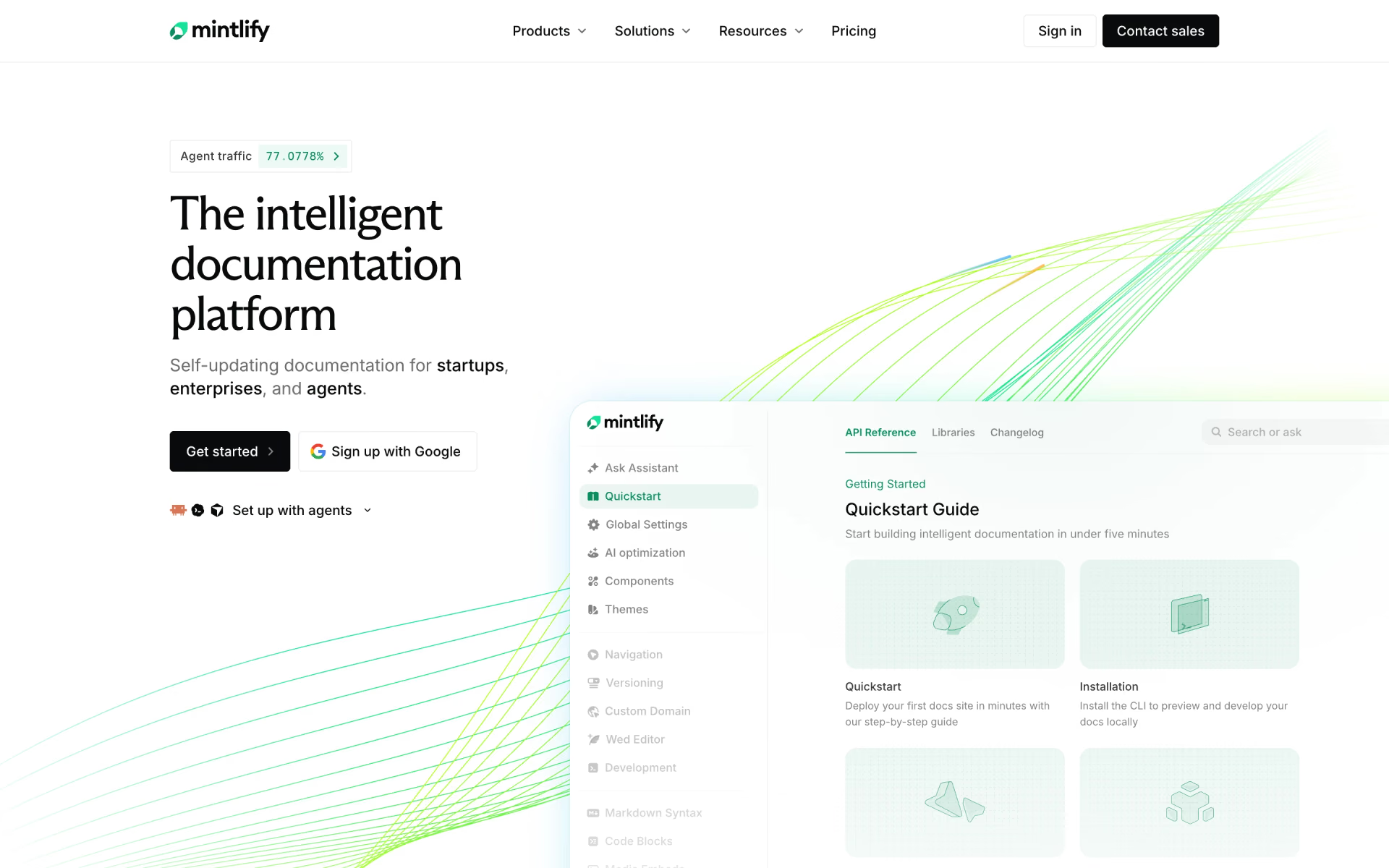
 Mintlify

 Code to Flowchart
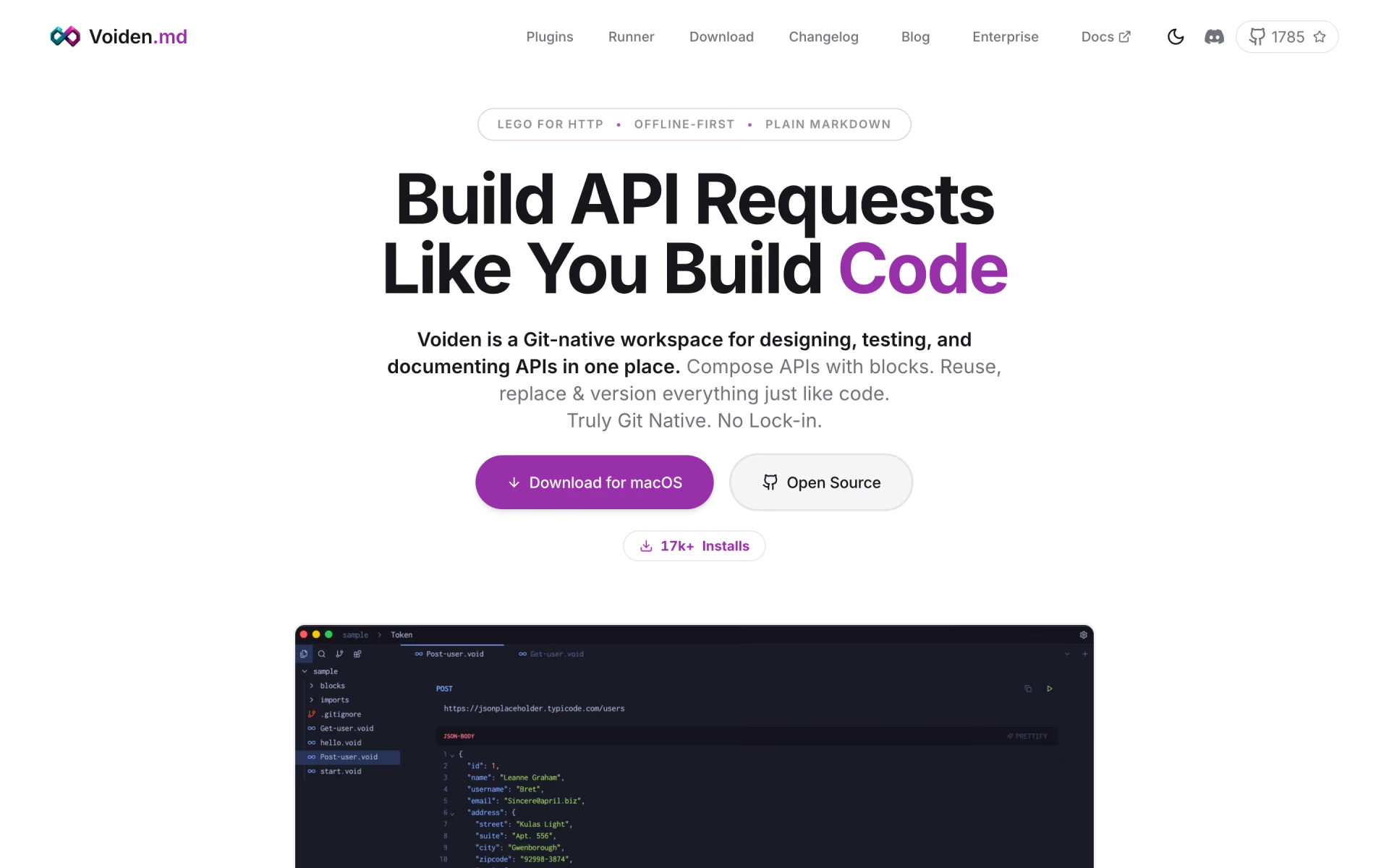
 Voiden

 dotts
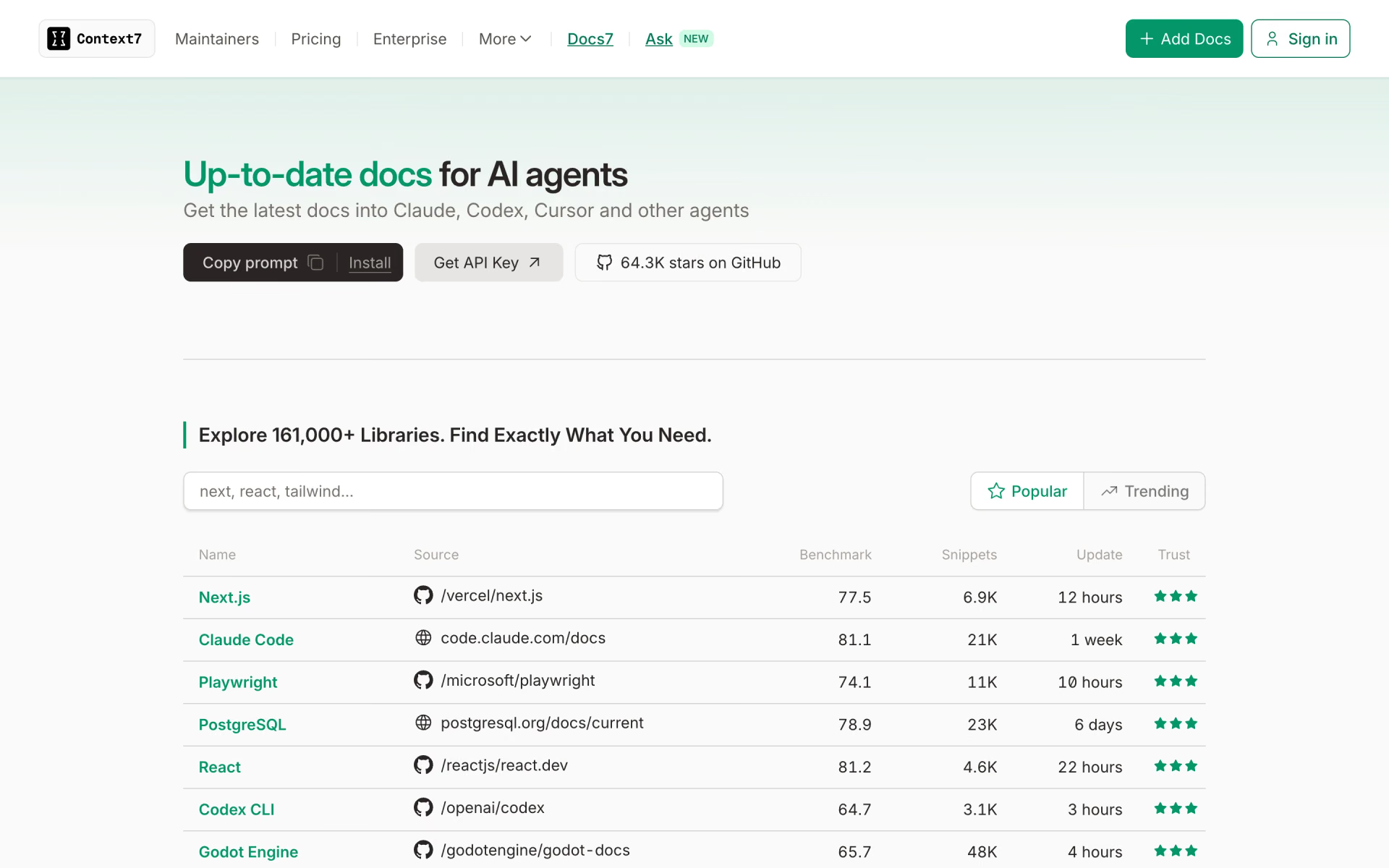
 Context7
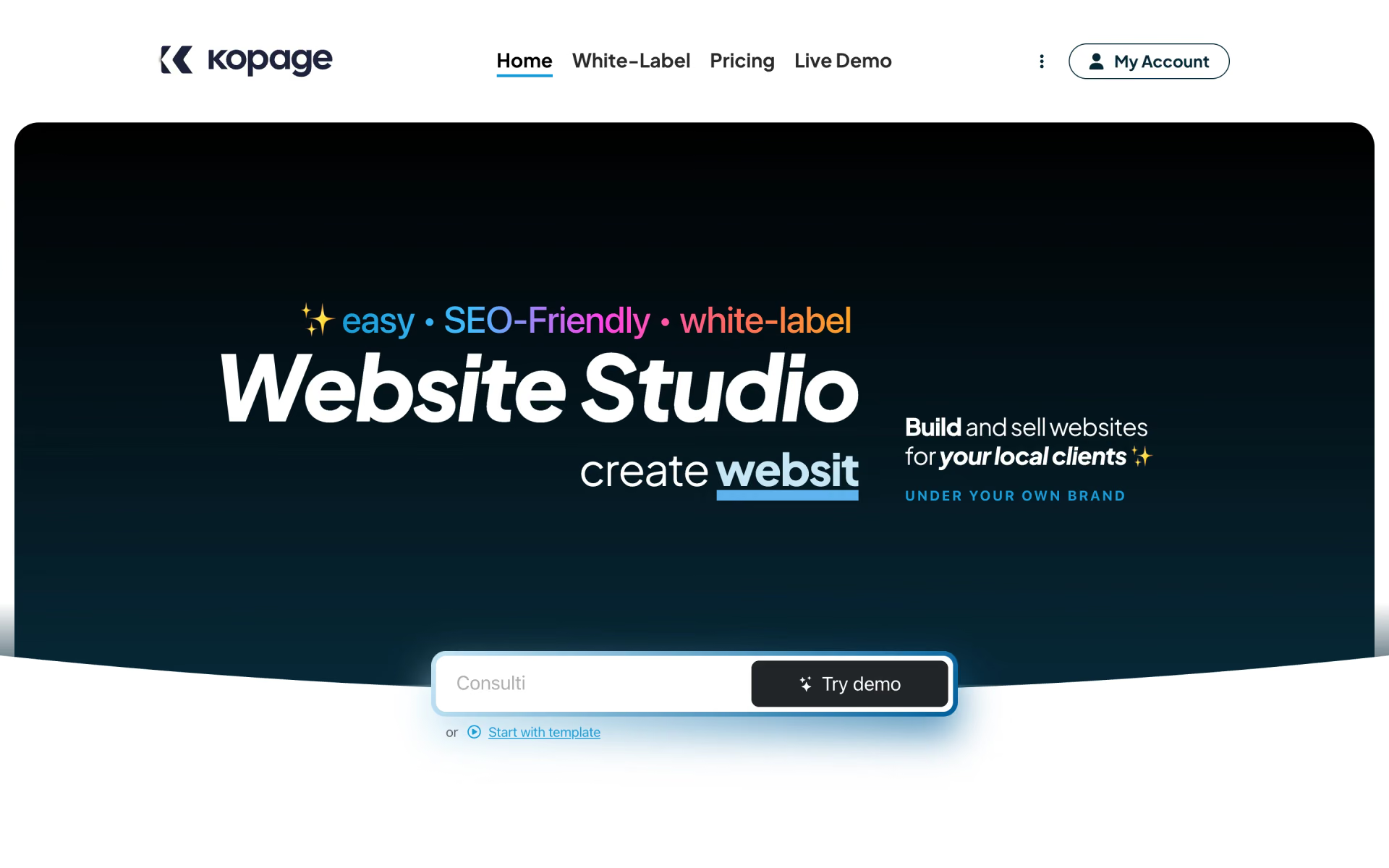
 Kopage