

What is OpenPanel?
Web and product analytics with funnels, retention, profiles and session replay, priced by events.
Who is OpenPanel best for?
OpenPanel is best for product teams that want Mixpanel-style funnels and retention without per-seat pricing.
Product analytics without seat fees
Team members, dashboards and features are unlimited on every plan; only events are counted.
Web and app tracking together
SDKs for web, React Native, iOS and Android send events into the same project.
Funnels, retention and replays
Funnels, cohorts, user profiles, session replay and A/B test breakdowns sit next to the traffic reports.
Asking AI about your users
A hosted MCP server lets Claude, Cursor or another MCP client query your analytics.
How much does OpenPanel cost?
OpenPanel is free to self-host with no event limits, and OpenPanel Cloud starts at $2.50 a month for 5,000 events, with every feature on every plan.
- No event limits
- Same code as Cloud; releases arrive a little later
- Setup script and one-command upgrades
- Unlimited websites, apps and team members
- Every feature, including session replay
- Hosted in the EU
- Unlimited dashboards and tracked profiles
- Funnels, retention, A/B tests and the API
- Over the limit, new events wait; no overage bill
Other monthly tiers: 10,000 events $5, 100,000 $20, 1M $90, 2.5M $180, 10M $350 and 50M $900; above that is custom. Yearly billing costs ten months of the monthly price. The 30-day free trial needs no card. Open source projects can get free Cloud up to 2.5M events a month in return for a link back. Full pricing on openpanel.dev. We checked these prices on .
How do readers rate OpenPanel?
No one has rated OpenPanel yet. Be the first.
Sign in to rate. One rating per account.
Is OpenPanel open source?
Yes. OpenPanel's code is public under the AGPL 3.0 licence, so you can run it on your own server.
On GitHub
7,293stars
+165 (+2.3%) in the last 30 days
- Last commit
- 9 Nov
- Repository age
- 2 years
- Licence
- AGPL 3.0
- Self-hosted
- Yes
- Repository
- Openpanel-dev/openpanel


What are the best OpenPanel alternatives?
OpenPanel is an open source alternative to Databuddy, Mixpanel, Usermaven and Simple Analytics. PostHog and Litlyx do the same job and are open source too.
 DatabuddyFree
Tracks visitors, signups, funnels and revenue in one dashboard, for founders without a data team.
 MixpanelFree
Event-based analysis of how people use your app or site, with replays, A/B tests and an AI agent.
 UsermavenPaid
Attribution and analytics for every customer touchpoint.
 Simple AnalyticsFree
Privacy-first web analytics with no cookies.
 PostHogOpen Source
Product analytics suite with session replay, feature flags, experiments, surveys and error tracking.
 LitlyxOpen Source
Cookie-free traffic, funnel and event reports, with an AI assistant you can ask about the numbers.
Questions about OpenPanel
What is OpenPanel?
Web and product analytics with funnels, retention, profiles and session replay, priced by events.
Who is OpenPanel for?
OpenPanel is best for product teams that want Mixpanel-style funnels and retention without per-seat pricing.
Is OpenPanel free?
Yes. OpenPanel has a free Self-hosted plan: no event limits.
How much does OpenPanel cost?
OpenPanel's paid plans are Cloud 5K at $2.50 per month for 5,000 events and Cloud 250K at $30 per month for 250,000 events.
Is OpenPanel open source?
Yes. OpenPanel's code is public under the AGPL 3.0 licence, so you can run it on your own server.
What are the best OpenPanel alternatives?
The closest alternatives on Recaply are Databuddy, Mixpanel, Usermaven, Simple Analytics, PostHog and Litlyx.
Where can I try OpenPanel?
On its official website, openpanel.dev.
Is the self-hosted version of OpenPanel limited?
No. Self-hosting runs the same open source code as OpenPanel Cloud with no event limits, though new releases reach Cloud first. You run it with Docker Compose on a Linux server with at least 4 GB of RAM.

 Rybbit

 Swetrix
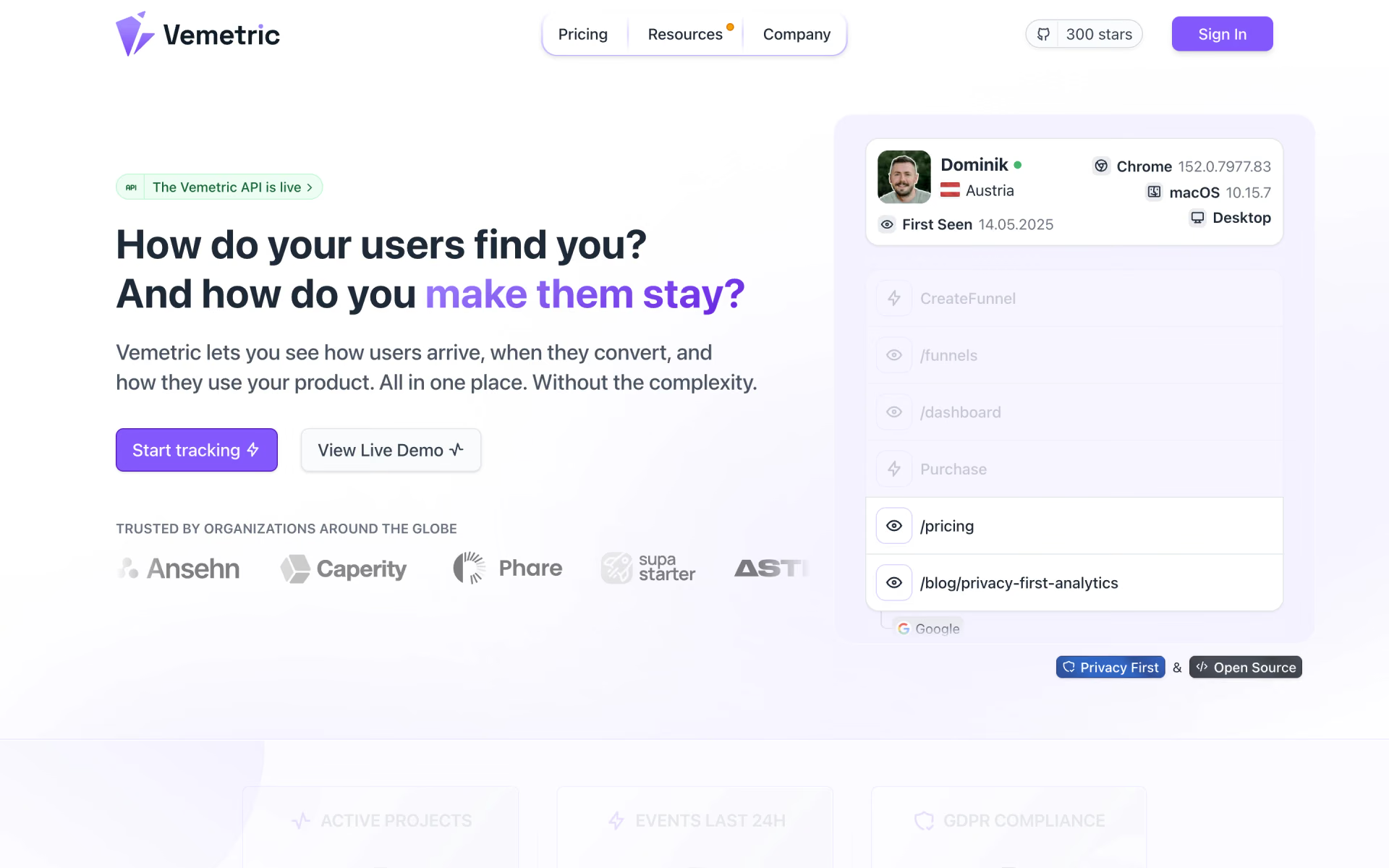
 Vemetric
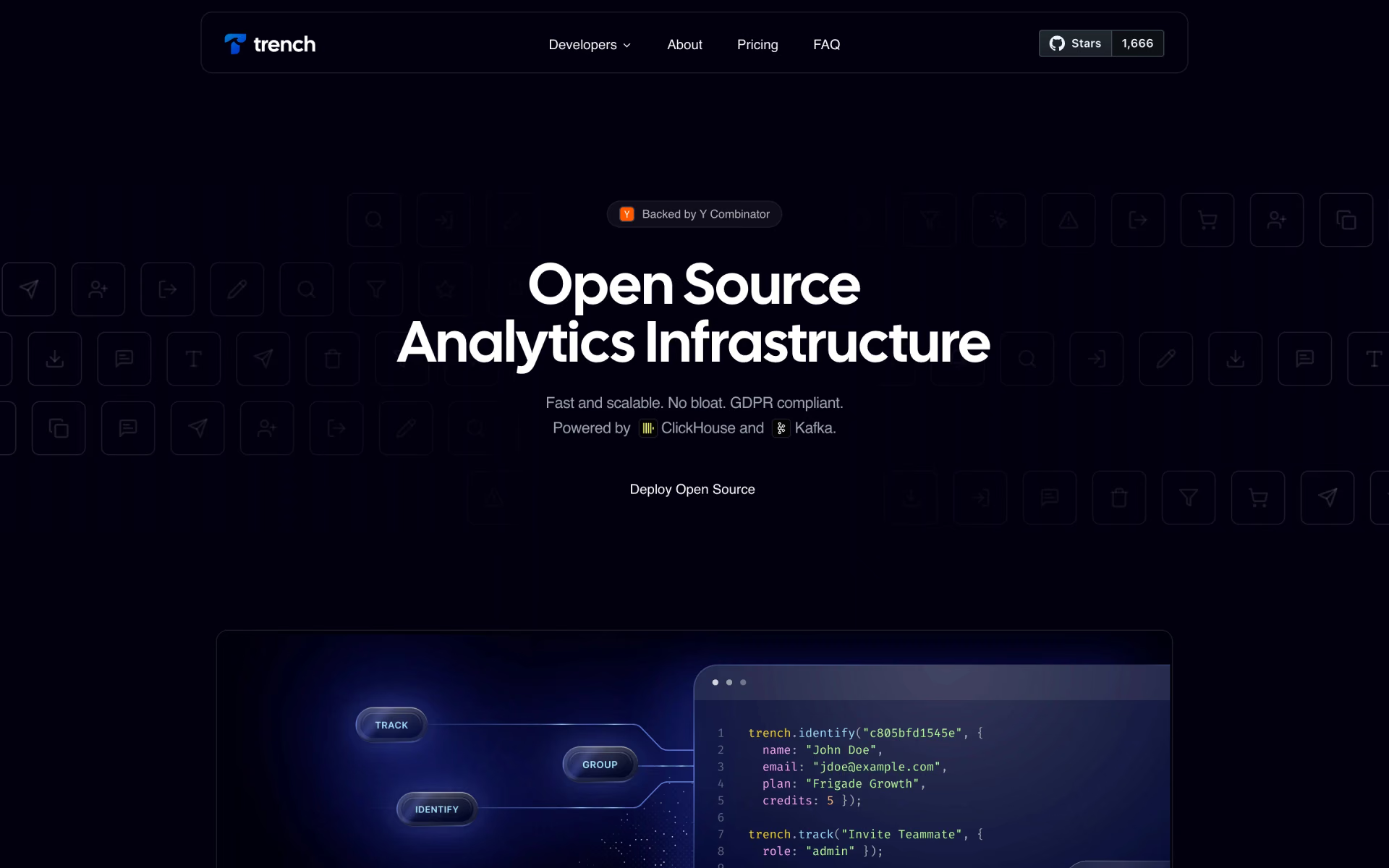
 Trench
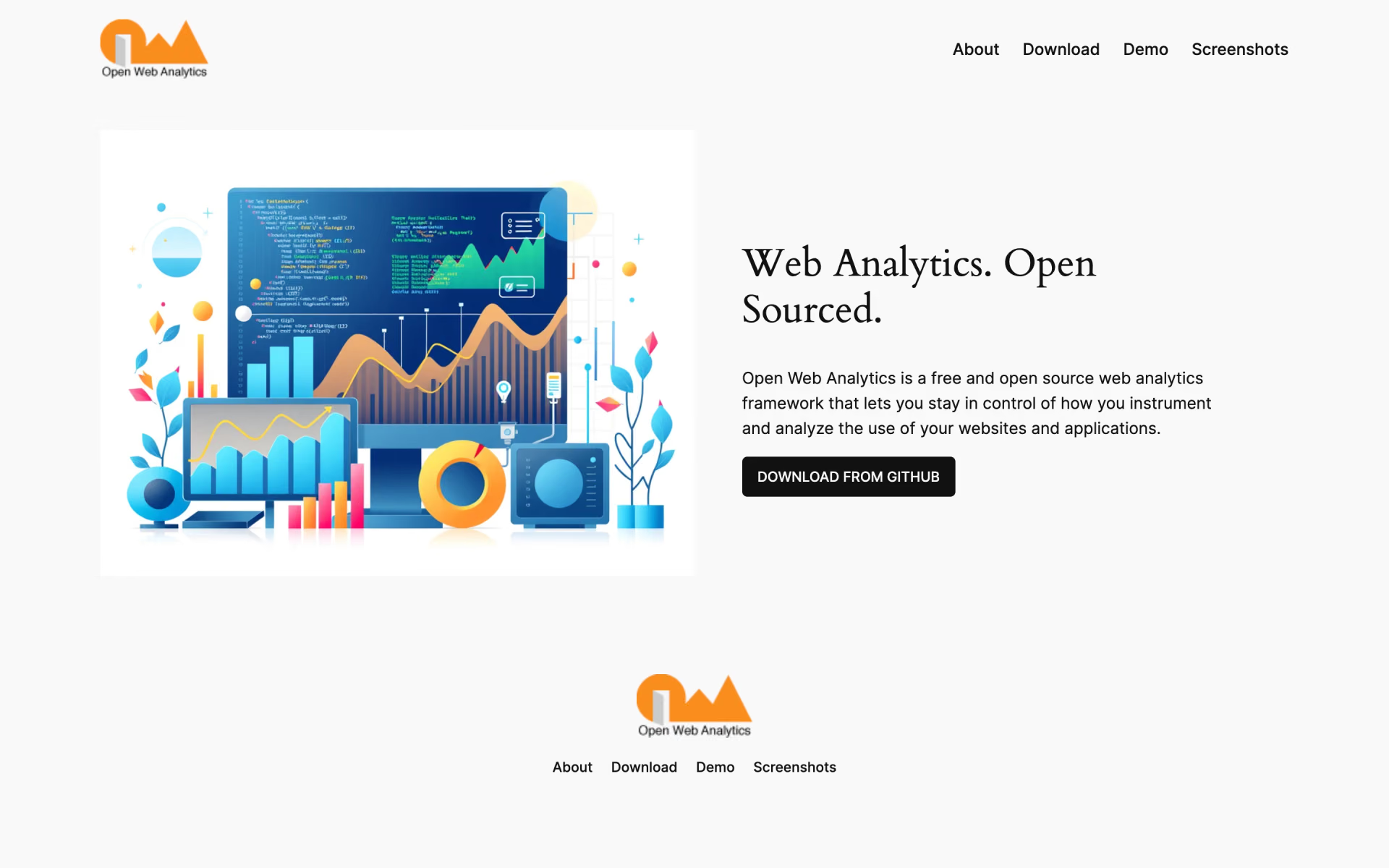
 Open Web Analytics

 Flame Analytics