 Open-source workspace for docs, wikis and databasesAlternative to
 Coda
 Craft+3
10 open source tools do the job of Evernote. The most starred is AppFlowy, with 78.8k stars. Verified on GitHub. About Evernote

 EvernoteFree
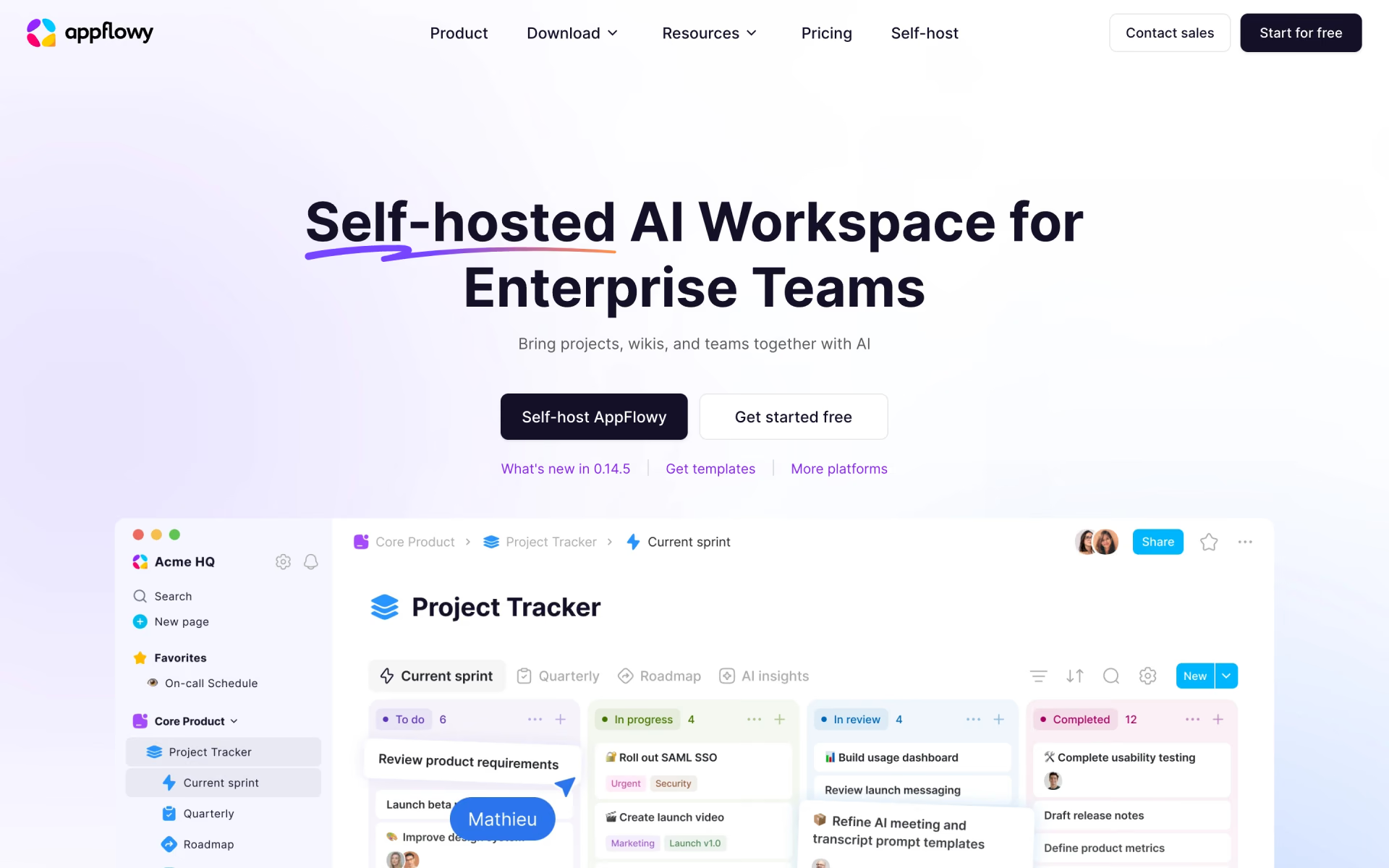
 AppFlowy78.8k stars · AGPL 3.0GitHub
By GitHub stars it is AppFlowy, with 78,875 stars and a commit on 2 Nov. Choose AppFlowy when you want to host it yourself and keep your data on your own server. Next come Memos (64,448 stars) and SiYuan (47,216 stars).
Yes. The code of all 10 is public under AGPL 3.0, MIT, GPL 3.0 or GPL 2.0, so you can use them with no licence fee. Running one yourself costs the server and your time to look after it, and some makers also sell a hosted plan.
Start from the job you use Evernote for. Choose Notesnook when you want to host it yourself and keep your data on your own server. Choose SiYuan when you want web clips, PDF notes and outlines kept in a local workspace rather than a hosted account.
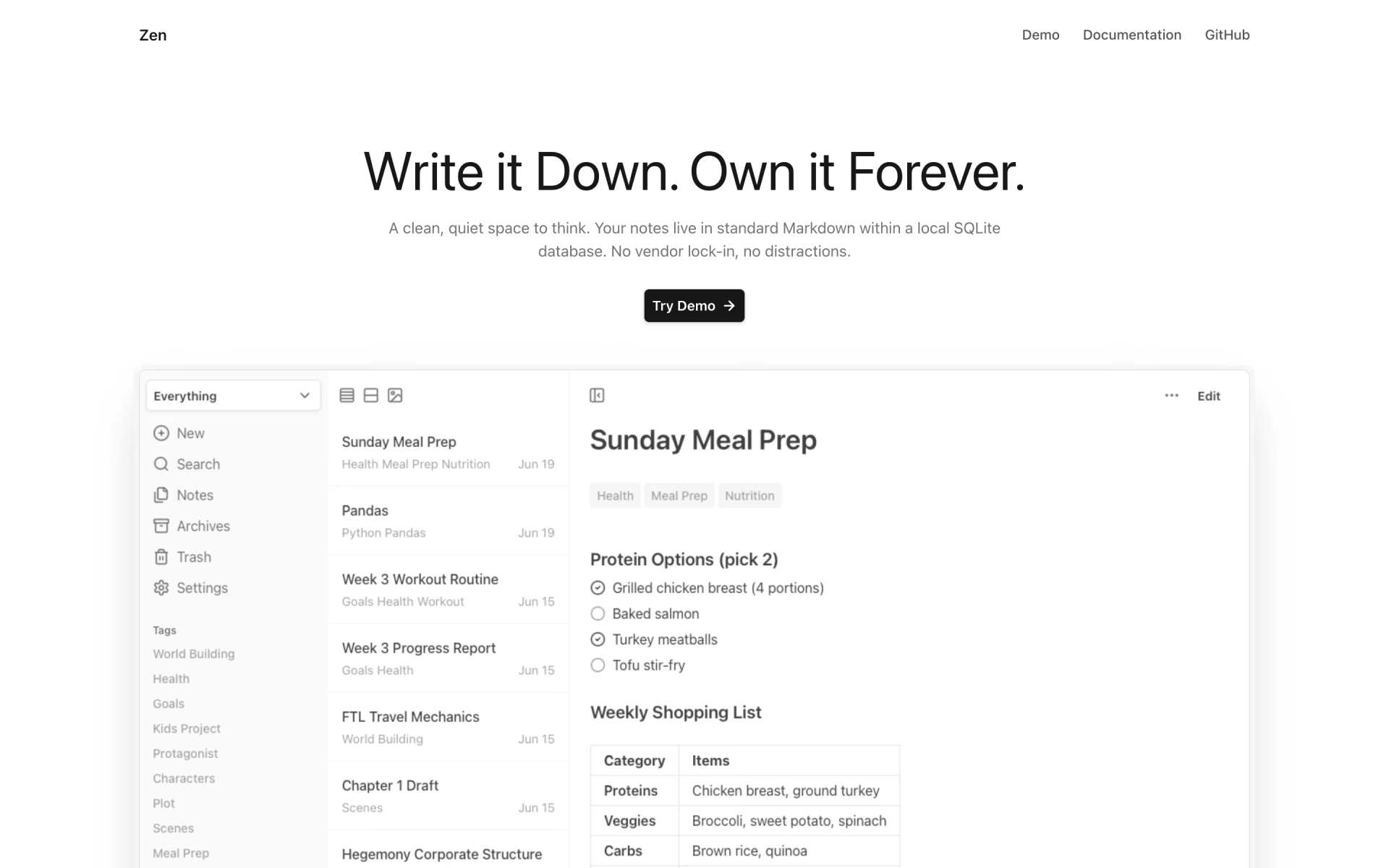
9 of the 10: AppFlowy, Memos, SiYuan, Notesnook, Blinko, Standard Notes, Beaver Notes, Zen and 1 more. Each tool's page says what it needs to run.
9 of the 10 we track had a commit in the last 30 days, among them AppFlowy, Memos, SiYuan and Notesnook. The quietest is Justnote, last changed on 3 Feb. A recent commit shows the project is kept up, not that it will stay that way.
AGPL 3.0 (4), MIT (2), GPL 3.0 (2), GPL 2.0 (1), MPL 2.0 (1). MIT, BSD and Apache let you change and reuse the code freely. GPL and AGPL ask you to share your changes under the same licence when you give the software to others, and AGPL also counts letting people use it over a network.
The hosting. Evernote's maker runs the servers for you; with an open source tool the updates, backups, security fixes and support are yours, unless you take the maker's hosted plan. Features differ too, so check what each one imports and exports before you move your data.