What is agentic AI? How it works, with real examples
What is agentic AI? AI that works toward a goal on its own: it plans, uses tools and checks its work. How it differs from a chatbot, with real examples.

Agentic AI is AI that works toward a goal on its own, planning the steps, using tools like a browser and checking the results. A chatbot answers your message and stops, while an agent keeps acting until the task is finished or it needs your decision. ChatGPT Work, Claude, Manus, Lindy and Codex all work this way today, and each one lets you approve risky actions first.



What makes AI agentic?
Agentic AI is artificial intelligence that takes actions toward a goal instead of only writing a reply.
OpenAI's guide to building agents calls them “systems that independently accomplish tasks on your behalf,” and it says simple chatbots don't qualify. Anthropic separates workflows, where code fixes every step in advance, from agents, where the model directs “its own processes and tool usage.” Google Cloud says agentic AI can “set goals, plan, and execute tasks with minimal human intervention.”
Taken together, five features make AI agentic: a goal, a plan, tools, real actions, and the habit of checking its own work.
How does agentic AI work?
Most agents repeat the same loop until the job is finished or they need a decision from you.
- Goal. You describe the result, such as a spreadsheet comparing three vendors.
- Plan. The model breaks the goal into steps and picks the first one.
- Act. It uses a tool for each step: a browser, your files, an app like Gmail, or a terminal.
- Check. It reads what happened and adjusts. Anthropic calls this getting ground truth from the environment at each step.
- Stop or ask. It finishes, or it pauses when it's stuck or about to do something risky.
The language model works as the brain of this loop. OpenAI's guide lists three parts that every agent needs: a model, tools, and instructions that set its boundaries.
How is agentic AI different from a chatbot or an automation?
A chatbot works one turn at a time: you ask a question, it answers, and you decide what happens next. Many assistants can search the web inside a reply, but you still direct every step yourself.
A fixed automation, such as a Zapier zap or an n8n workflow, runs steps that someone wrote in advance. It's fast, inexpensive and predictable, but it breaks when a case doesn't match the rules.
An agent decides its own steps instead. OpenAI compares a rules engine to a checklist and an agent to an investigator who considers the whole context. That flexibility makes agents useful for messy work, but it also makes them more expensive and less predictable. Anthropic recommends choosing the simplest option that does the job.
Agentic AI examples you can use today
These five products plan and act on their own, and the prices below are each maker's normal monthly price on Nov 8, 2026.
| Agent | What it acts on | How it asks you | Price to start |
|---|---|---|---|
 ChatGPT Work | Files, plugins, the web, desktop apps | Pauses for approval on important actions | Free in the desktop app; Plus $20/mo |
 Claude | Folders and apps you choose, its own browser | Asks before acting by default | Pro $20/mo |
 Manus | A cloud computer, or a folder on yours | Three permission modes | Free plan; paid from $20/mo |
 Lindy | Email, calendar, Slack, phone, 1,500+ apps | Holds anything with outside impact | 7 days of free credits; $29.99 a user/mo |
 Codex | Your code, terminal and GitHub repos | Sandbox; asks before network use | Free in the desktop app; Plus $20/mo |
What each agent does
1. ChatGPT Work: the agent inside ChatGPT
ChatGPT now has a switch between Chat and Work. OpenAI describes ChatGPT Work as an agent for longer, multi-step tasks that end in a finished deliverable, such as a presentation or a report. It can browse, read your files, use plugins like Slack and repeat tasks on a schedule. It shows its progress and pauses whenever it needs information or your approval.

2. Claude: hand over a task, approve the big steps
Anthropic folded its Cowork agent into the main Claude app in September 2026, starting with the Pro, Max and Ultra plans. You choose the folders and applications it can use, and it opens a separate browser for web tasks. By default, Claude asks before taking an action, and deleting anything always requires your approval.

3. Manus: a general agent with its own computer
Manus gives each task its own computer in the cloud, where it researches, codes and builds slides, websites and games. Its Studio desktop app can also work in a folder on your machine. There you decide how often it asks: before every action, only when an action needs your decision, which is the default, or never.
4. Lindy: an assistant that runs your inbox
Lindy describes itself as an AI employee that works in email, Slack, text messages and your calendar. It connects to more than 1,500 apps and can phone people to chase an overdue invoice. Lookups happen automatically, but anything with outside impact waits for your approval until you tell it to go ahead.

5. Codex: a coding agent in a sandbox
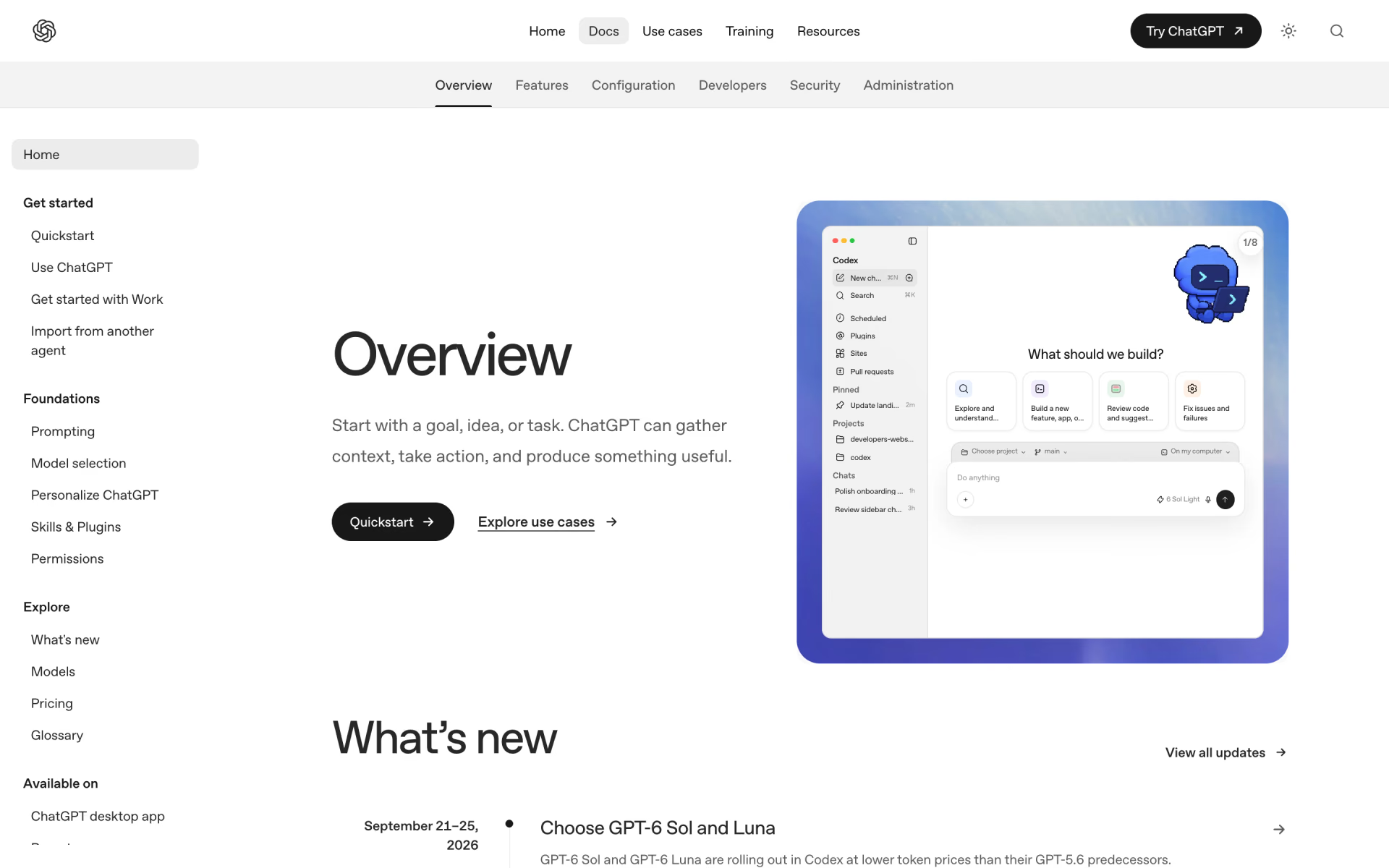
Codex is OpenAI's coding agent: it reads your project, edits files, runs commands and tests, and returns changes for a pull request. On your computer, it can write only inside the project folder by default, with network access switched off. It asks before editing outside that folder or going online.
The risks, and how you stay in control
Anthropic warns that agents bring “higher costs, and the potential for compounding errors,” where one mistake leads to the next. Text on a web page can also try to manipulate an agent, so Codex's documentation tells you to treat web results as untrusted.
OpenAI's guide says sensitive, irreversible or high-stakes actions, such as cancelling orders, large refunds and payments, should get human oversight. The products above keep you in charge in three ways.
- Approvals. The agent stops and asks before a risky step, such as sending, deleting or running a command outside its folder.
- Permissions. You choose what it can reach: one folder, a few apps, or a sandbox with no internet.
- Visible work. You can follow its progress, change direction or stop the task at any point.
Most also offer a mode that asks less often, so save it for tasks you'd trust a new employee to handle alone.
How to start using agentic AI
- Pick one task with a clear result. OpenAI suggests tasks that use several sources and end in something you can review.
- Use what you have. ChatGPT Plus and Claude Pro include an agent, Manus has a free plan, and Lindy gives a week of free credits.
- Start with approvals on, give it one folder or a few apps, and watch its first runs.
- Check the result before you share it, then put the task on a schedule if it works.
For business options, see the best AI agents for small business, or read how to build an AI agent without code to create your own. To teach an agent a job it repeats, look at agent skills.
How we checked
On Nov 8, 2026, we read what Anthropic, OpenAI and Google publish on agents, plus each product's help and pricing pages. We haven't run these agents side by side, so everything here comes from the makers' own pages. When a plan or feature changes, we update this page and its date.
Questions people ask
Is ChatGPT agentic AI?
Regular ChatGPT chat isn't, but ChatGPT Work is. Chat answers one message at a time, while Work is OpenAI's agent for longer tasks that end in a file you can review.
What's the difference between agentic AI and AI agents?
An AI agent is one system that completes a task, while agentic AI is the broader approach, often several agents working together. Google Cloud compares agents to individual tools and agentic AI to using the whole toolbox to build a house. Many people use the two terms interchangeably.
Is agentic AI the same as generative AI?
No, but they overlap: generative AI creates text, images or code from a prompt. Agentic AI uses a generative model as its brain and adds tools to take actions, so Google Cloud calls it a subset of generative AI.
Can you use agentic AI for free?
Yes, with limits: Manus has a free plan with 300 credits a day, and Lindy gives you $50 in credits for 7 days. OpenAI includes ChatGPT Work and Codex on its Free plan in the desktop app, where access is still rolling out.
Is agentic AI safe to use?
It's as safe as the access you give it. Keep approvals on for anything that sends, deletes or pays money, and limit the agent to the folders and apps it needs.