

What is Dust?
Team agents connected to company data, with governance built in.
Who is Dust best for?
Dust is best for companies that want teams to build and share AI agents working from data in Slack, Notion and Drive.
Support teams
Agents can classify and route tickets, draft replies grounded in the knowledge base and turn solved tickets into internal docs.
Sales teams
Agents brief reps on accounts, score inbound leads against your ideal customer profile and log calls and next steps.
Answers from scattered company data
It connects to Slack, Notion, Google Drive, GitHub, Salesforce and Zendesk, so one agent can answer with context from several systems.
Companies with strict data rules
Permissions separate what an agent can reach from who can use it, with SSO and US or EU data residency on the self-serve plan.
How much does Dust cost?
Dust's Free seat comes with 500 credits in total, and paid seats cost $30 a month for Pro (8,000 credits) or $150 a month for Max (40,000 credits), or $24 and $120 a month billed yearly.
- 500 credits in total, they do not refresh
- Same 20+ models as paid seats
- For occasional users or trying Dust
- 8,000 credits a month
- Meant for most team members
- Extra use through workspace overage when an admin allows it
- 40,000 credits a month
- For heavy deep research and tool-heavy automations
- Extra use through workspace overage when an admin allows it
Free, Pro and Max are seat types in Dust's Business plan for teams of up to 100, and one workspace can mix them. Billed yearly, Pro is $24 and Max $120 per seat a month. These are the US dollar prices shown outside Europe; visitors in Europe see the same numbers in euros, and all prices exclude VAT. The Business plan includes 20+ models from OpenAI, Anthropic, Google, Mistral and DeepSeek, up to 3 connectors, 5 remote MCP servers and 5 spaces, and API use costs $0.01 a credit. Enterprise is priced by sales and adds unlimited connectors, pooled credits, SCIM, audit logs and single-tenant deployment. Full pricing on dust.tt. We checked these prices on .
How do readers rate Dust?
No one has rated Dust yet. Be the first.
Sign in to rate. One rating per account.
What are the best Dust alternatives?
One tool on Recaply does Dust's job. It is open source, so you can run it on your own server.

Questions about Dust
What is Dust?
Team agents connected to company data, with governance built in.
Who is Dust for?
Dust is best for companies that want teams to build and share AI agents working from data in Slack, Notion and Drive.
Is Dust free?
Only as a trial. A Dust Free seat costs nothing but comes with 500 credits in total that never refresh; when they run out, the user has to ask for an upgrade. Paid seats cost $30 a month for Pro or $150 a month for Max.
How much does Dust cost?
Dust's paid plans are Pro at $30 per seat per month and Max at $150 per seat per month.
Is there an open source alternative to Dust?
Yes. Onyx is an open source tool that does the same job, so you can run your own.
What are the best Dust alternatives?
The closest alternatives on Recaply are Onyx.
Where can I try Dust?
On its official website, dust.tt.
Do unused Dust credits roll over?
No. Each Dust seat's monthly credits reset at the start of every billing period. When a Pro or Max user runs out, work can continue through workspace overage if an admin has turned it on, up to a set cap.
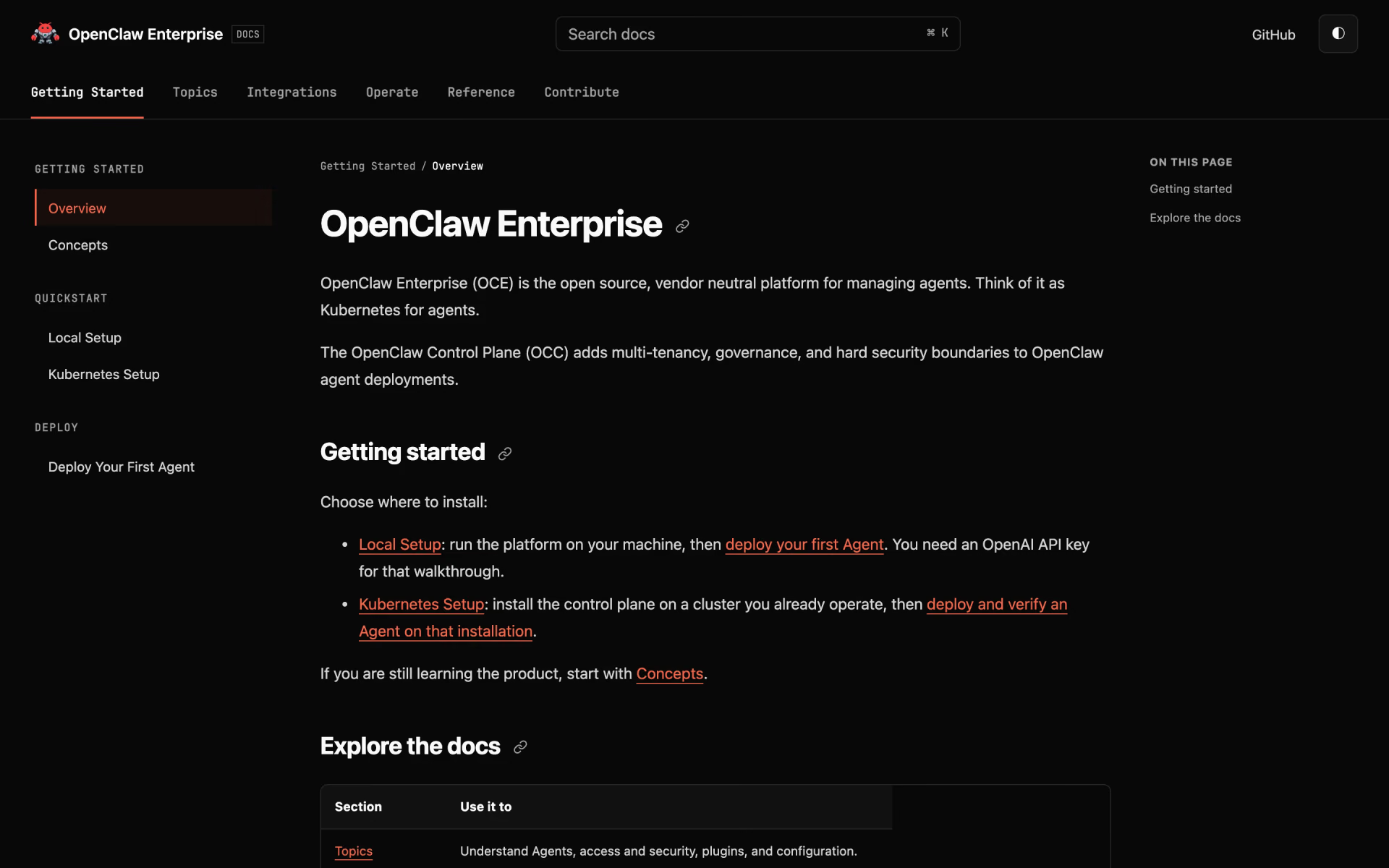
 OpenClaw Enterprise
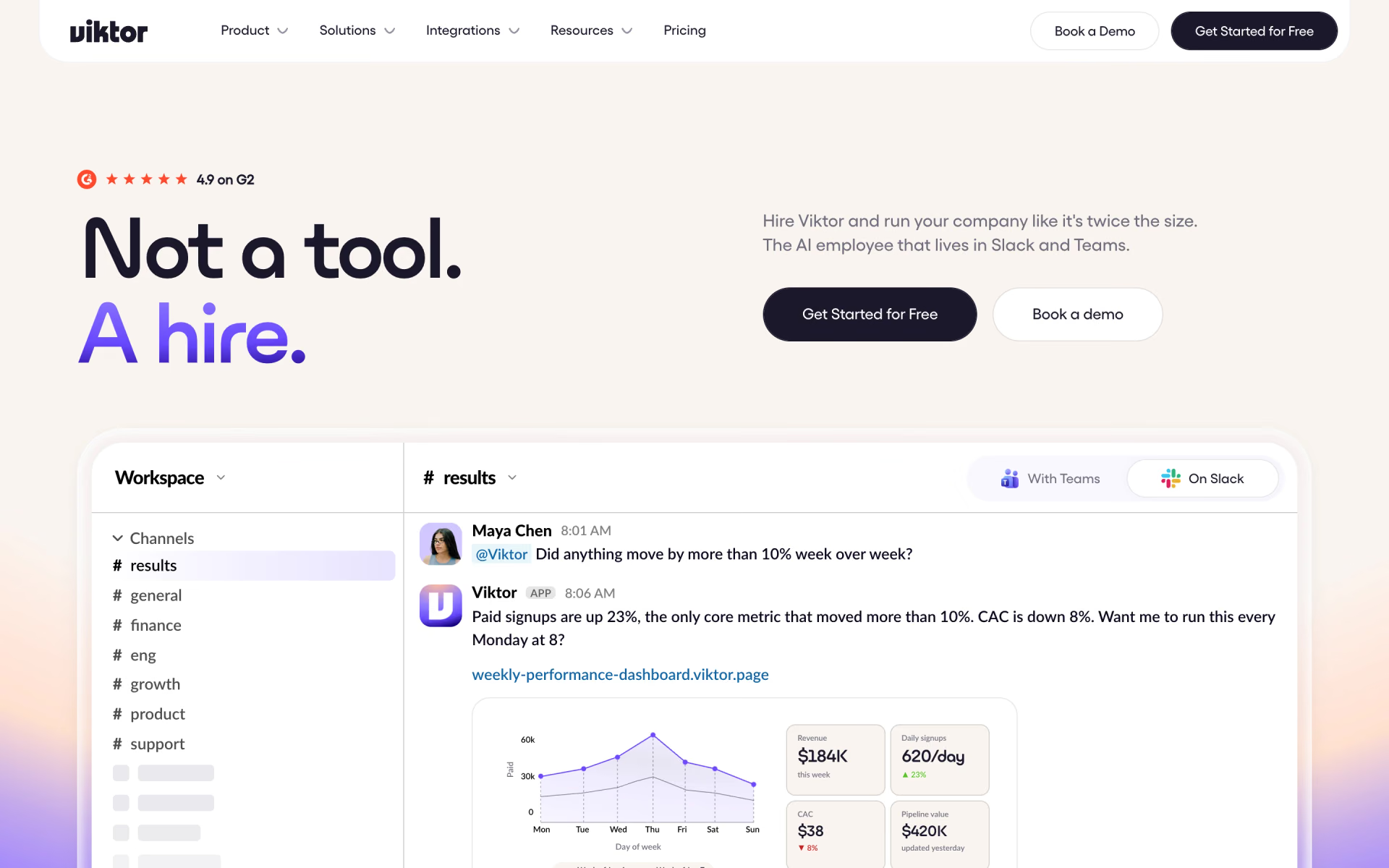
 Viktor
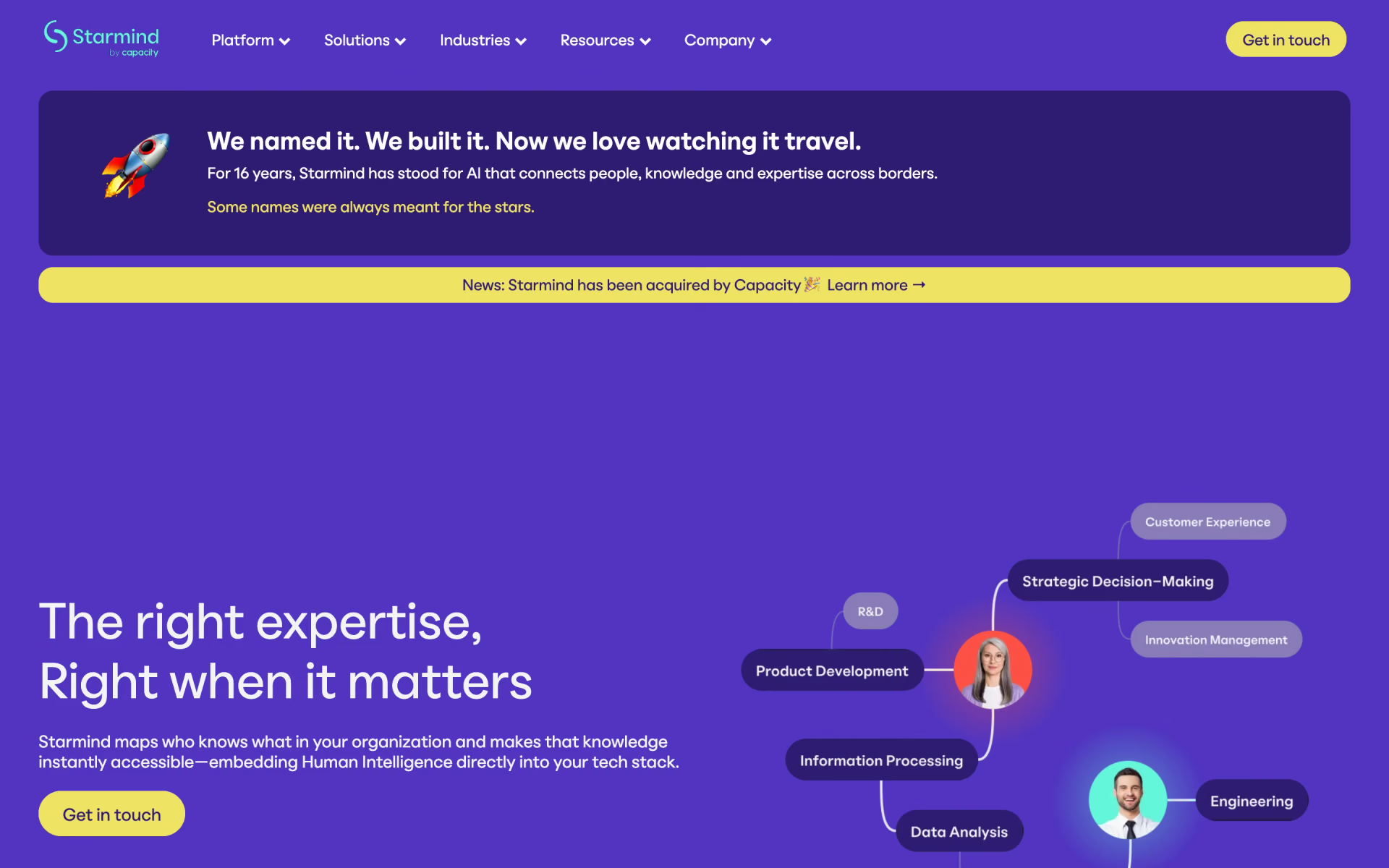
 Starmind

 Helio
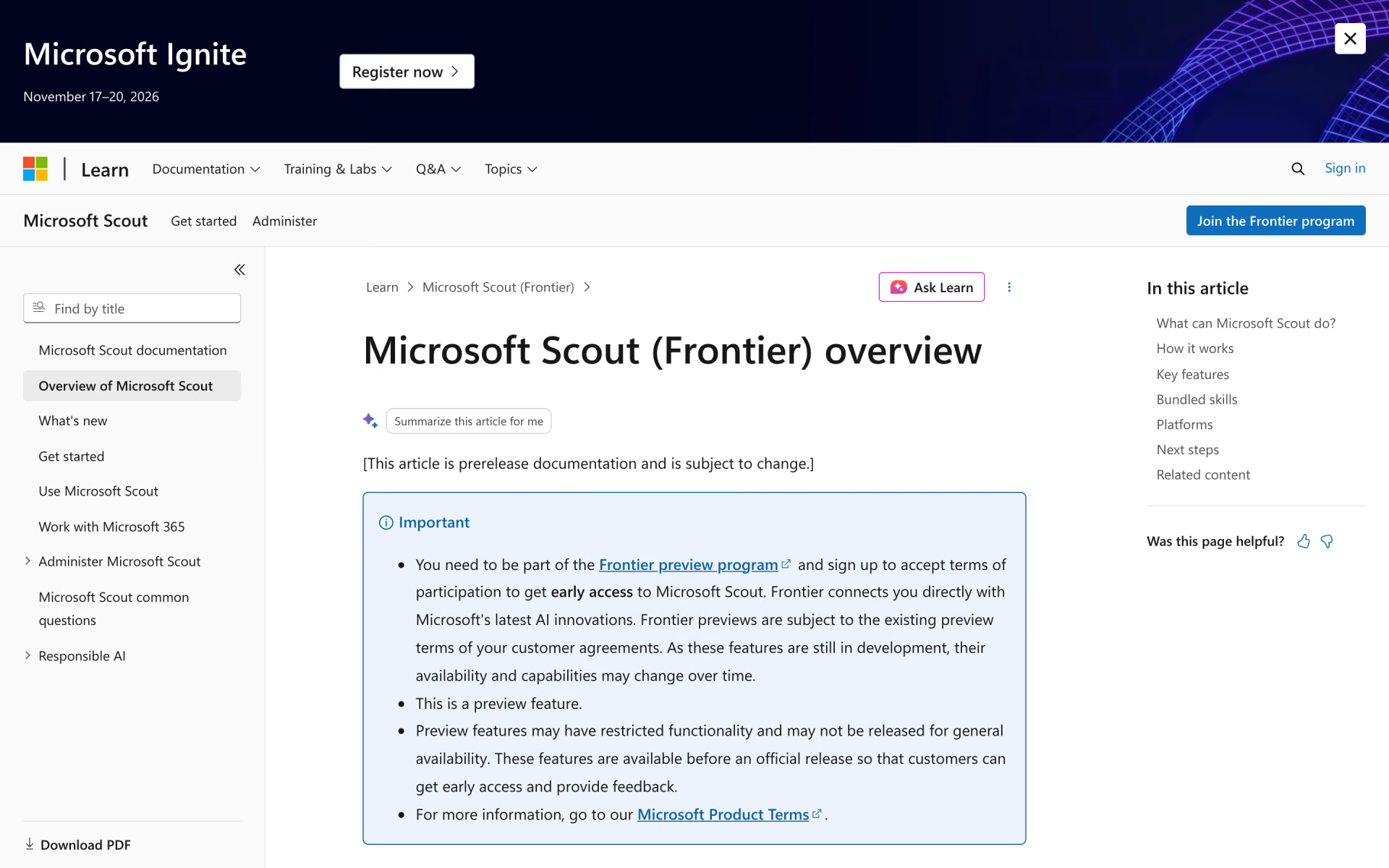
 Microsoft Scout
 Grok Bot