
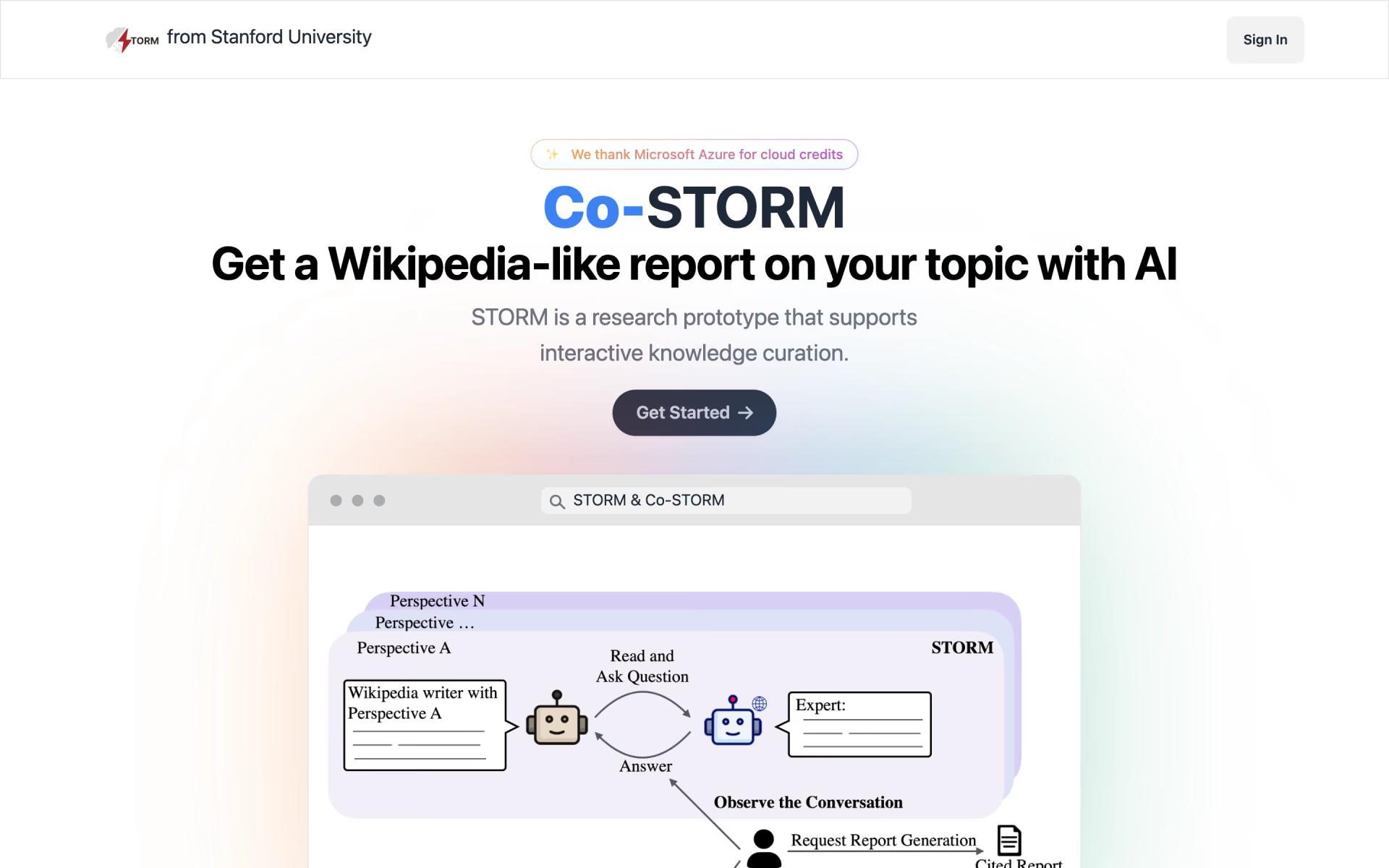
What is Co-STORM?
Stanford's multi-agent research tool that writes cited reports.
Who is Co-STORM best for?
Co-STORM is best for researchers and writers who want to learn a new topic by joining an AI expert discussion.
Learning a new topic
AI experts and a moderator talk the topic through while you watch or join in, and a mind map sorts what they find.
Research before writing
The Stanford team says experienced Wikipedia editors found it useful at the pre-writing stage, though its reports still need editing.
NLP researchers and developers
The knowledge-storm Python package is modular, so the agents, turn-taking policy, language models and search engines can each be swapped.
Teams with their own documents
Run on your own machine, it can search a private document collection through a vector store instead of the open web.
How much does Co-STORM cost?
Co-STORM is free: Stanford's web version is a research preview with no paid tier, and the code is open source under the MIT license.
- Web research preview needs a sign-in and agreement to its terms
- Code is open source under the MIT license
- Running it yourself needs your own language model and search API keys
Stanford OVAL runs the web version as a free research preview, with cloud credits from Microsoft Azure. Running the open-source knowledge-storm package yourself costs whatever your language model and search providers charge. Full pricing on storm.genie.stanford.edu. We checked these prices on .
How do readers rate Co-STORM?
No one has rated Co-STORM yet. Be the first.
Sign in to rate. One rating per account.
Is Co-STORM open source?
Yes. Co-STORM's code is public under the MIT licence, so you can read it, change it and run it yourself.
On GitHub
31,864stars
- Last commit
- 30 Sep 2025
- Repository age
- 2 years
- Latest release
- 23 Jan 2025
- Licence
- MIT
- Repository
- stanford-oval/storm
What are the best Co-STORM alternatives?
Co-STORM is an open source alternative to Elicit and Perplexity. Scira, Khoj, MiroThinker and PokeeResearch 7B do the same job and are open source too.
 ElicitFree
Find papers, extract data and write cited research reports.
 PerplexityFree
Search that answers with sources, plus deep research.
 SciraOpen Source
Research assistant that finds answers and acts across 100+ apps.
 KhojOpen Source
Personal AI that answers from your notes, PDFs and the web, with any local or online model.
 MiroThinkerOpen Source
MiroMind's open deep research agent models for long, multi-step web research with hundreds of tool calls.
 PokeeResearch 7BOpen Source
An Apache-licensed deep-research agent built on Qwen2.5-7B.
Questions about Co-STORM
What is Co-STORM?
Stanford's multi-agent research tool that writes cited reports.
Who is Co-STORM for?
Co-STORM is best for researchers and writers who want to learn a new topic by joining an AI expert discussion.
Is Co-STORM free?
Yes. Co-STORM has a free plan: web research preview needs a sign-in and agreement to its terms.
Is Co-STORM open source?
Yes. Co-STORM's code is public under the MIT licence, so you can read it, change it and run it yourself.
What are the best Co-STORM alternatives?
The closest alternatives on Recaply are Elicit, Perplexity, Scira, Khoj, MiroThinker and PokeeResearch 7B.
Where can I try Co-STORM?
On its official website, storm.genie.stanford.edu.
Is what I type into Co-STORM kept private?
No. Using the web preview means agreeing that Stanford OVAL may collect your topics, goals, follow-up messages and feedback, use them for research and share them under a Creative Commons licence, so leave out personal details. The open-source package runs on your own machine with your own API keys.
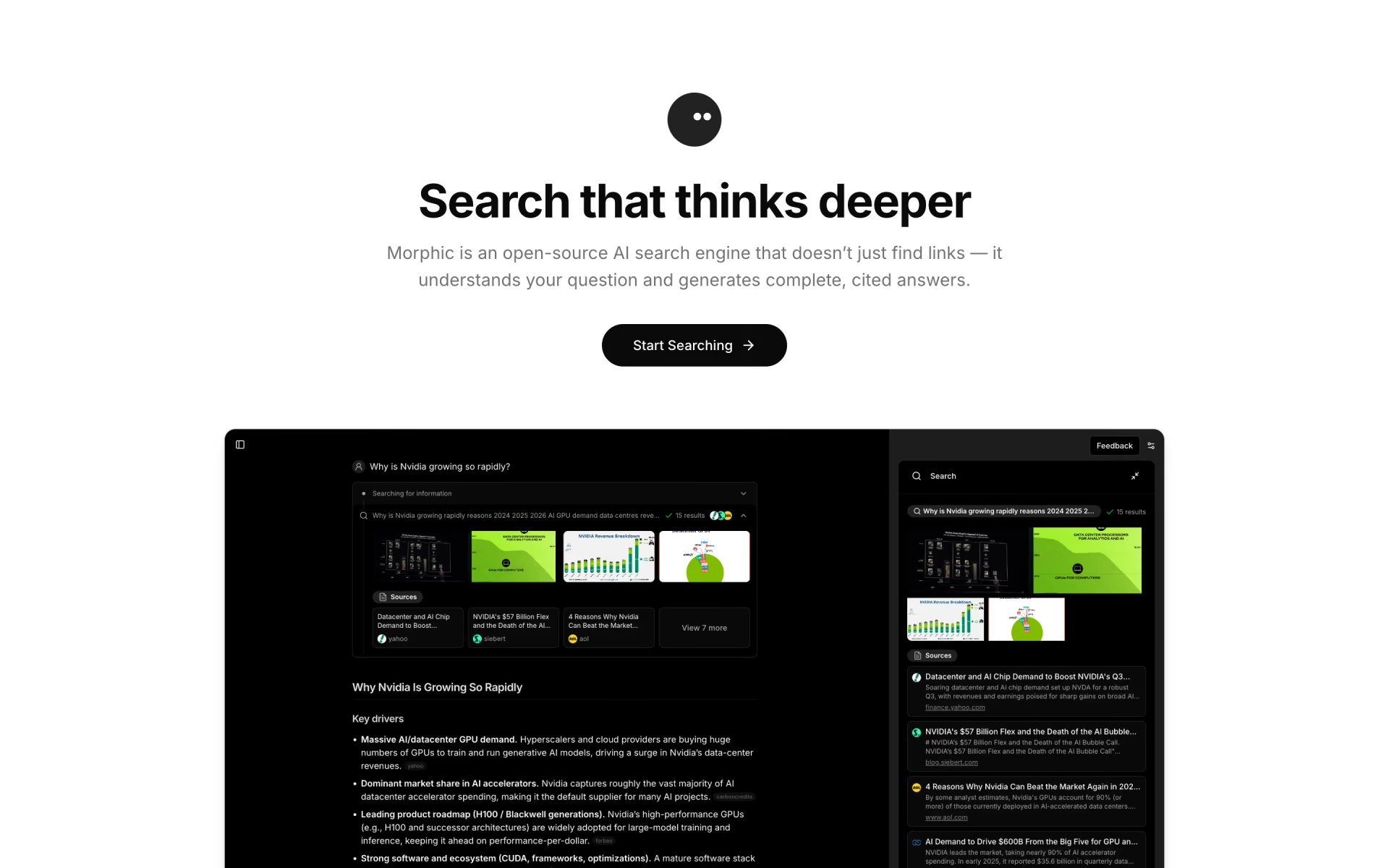
 Morphic

 Almanac
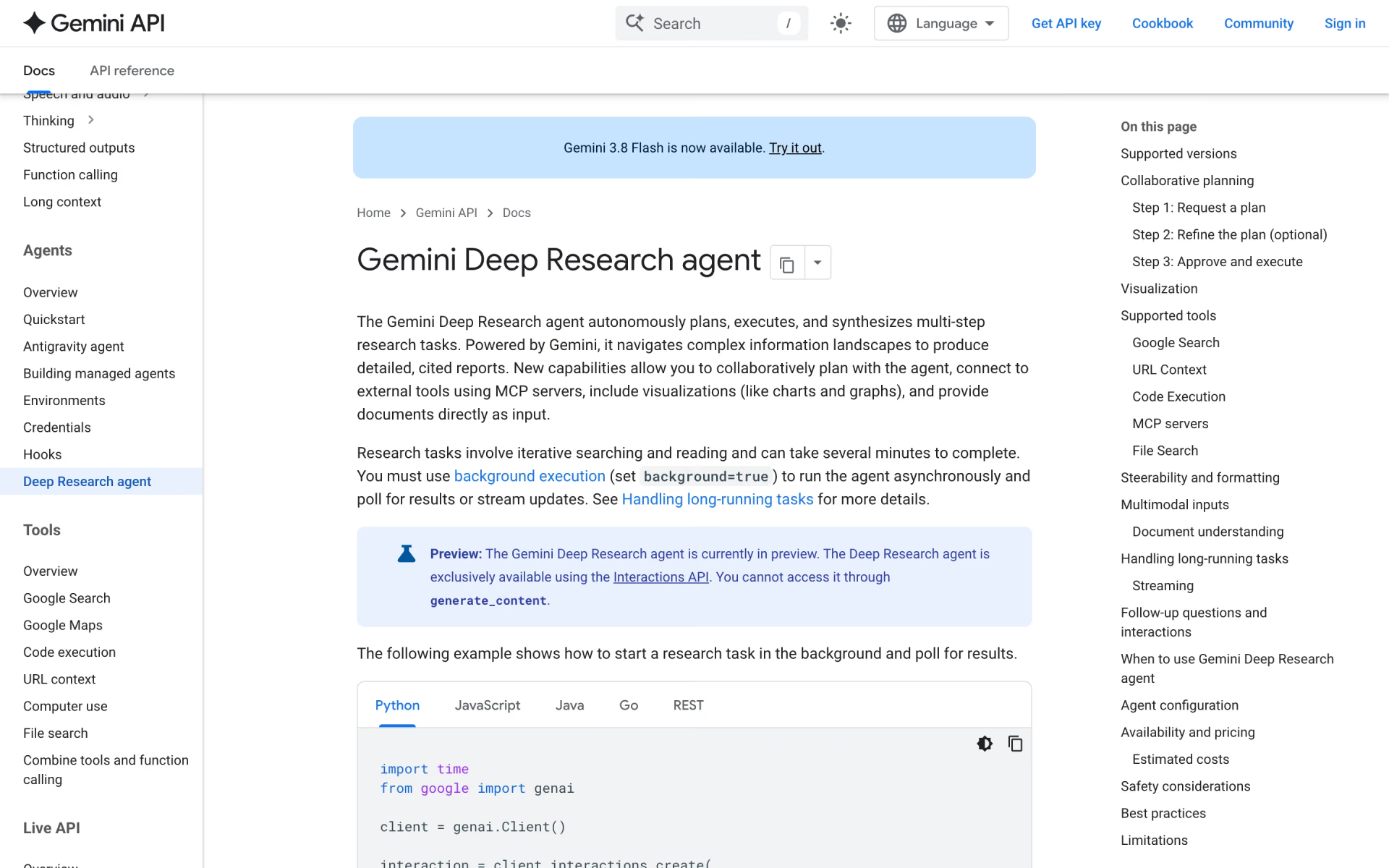
 Gemini Deep Research Agent
 AgentCrop
 Deep Research Max
 SurfSense