
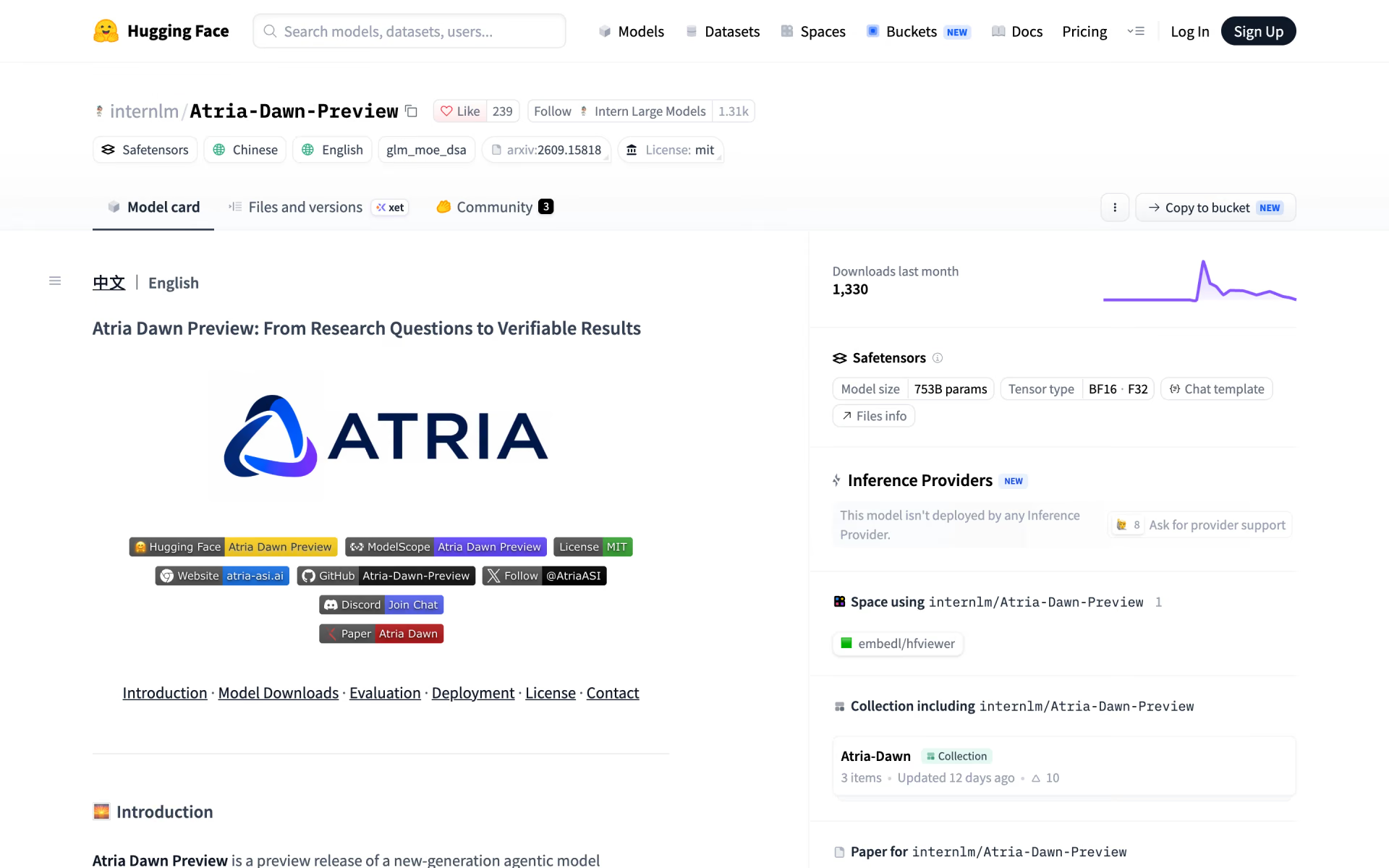
What is Atria Dawn Preview?
Atria Dawn Preview is a preview release from the Shanghai Artificial Intelligence Laboratory: a 744B-parameter mixture-of-experts model built on GLM-5.2 and trained on tasks whose results were checked in real execution environments. It is aimed at long agent runs such as literature search, experiments and code, reports and slides, and authorised security work.
It reads and writes text only, within a 256K-token context. The weights are free under the MIT License, and a hosted API speaks the OpenAI and Anthropic formats but shows no prices before you sign in. It is a current preview with no successor yet.
Who is Atria Dawn Preview best for?
Atria Dawn Preview is best for teams building deep research and tool-heavy agents who want open weights they can host themselves, and for authorised security testing.
Deep research agents
It posts the top scores in its lab's table on DeepSearchQA (96.0) and BrowseComp (92.5), two tests of multi-step web research.
Teams that must self-host
MIT-licensed weights in full and FP8 precision run on SGLang or vLLM, so prompts and data can stay on your own servers.
Tool-heavy automation
It leads the lab's comparison on BFCL v4 function calling (77.0) and AutomationBench (53.8).
Authorised security testing
It scored 86.5 on CyberGym, the best in the lab's table, and the lab built it to find, fix and re-check vulnerabilities in authorised environments.
What's included with Atria Dawn Preview?
Three OpenAI- and Anthropic-compatible API formats, adjustable reasoning effort, 65,536-token answers, full and FP8 weights, and training on verified outcomes.
- Three API formats
- Chat Completions, Anthropic-style Messages and Responses endpoints, so Claude Code, Codex and Kimi Code can use it as a custom model.
- Reasoning effort
- Effort runs from low to max in the lab's client setups, and thinking can be switched off for quick answers.
- Long answers
- Up to 65,536 tokens of output per request inside the 256K-token context.
- Two weight formats
- Full-precision and FP8 downloads on Hugging Face and ModelScope, served with SGLang v0.5.13.post1 or vLLM v0.23.0 and later.
- Trained on checked results
- The lab's training pipeline tied each task to a real execution environment and kept outcomes that could be verified from outside.
How much does Atria Dawn Preview cost?
Atria Dawn Preview is free to download and run under the MIT License; its hosted API shows no prices before you sign in.
- MIT License, commercial use allowed
- Full and FP8 versions on Hugging Face and ModelScope
- Self-host with SGLang or vLLM
The hosted API at api.atria-asi.ai (sign in with Google) and the Intern token plan for China show no prices before sign-in, and the API docs list a per-account requests-per-minute limit and a usage quota but no rates. The FP8 download is about 756 GB and the full-precision one about 1.5 TB. Full pricing on huggingface.co. We checked these prices on .
How do readers rate Atria Dawn Preview?
No one has rated Atria Dawn Preview yet. Be the first.
Sign in to rate. One rating per account.
Atria Dawn Preview pros and cons
It is free, open and leads its lab's table on web research and tool use, but it reads text only, trails on coding and is heavy to self-host.
Pros
- Free, MIT-licensed weights, so companies can run it on their own hardware and change it without a usage fee.
- Tops the lab's own table on five of 16 benchmarks, including DeepSearchQA, BrowseComp and CyberGym.
- Plugs into Claude Code, Codex and Kimi Code through standard API formats, with setup guides from the lab.
Cons
- Text only: the API rejects images, and the lab's own guides tell you to block PDF and image reads in coding agents.
- Trails on coding in its own table: 59.6 on SWE-bench Pro against 74.7 for Claude Opus 5, and 78.3 on Terminal-Bench 2.1 against 85.4 for GLM 5.3.
- The hosted API publishes no prices, and self-hosting means an FP8 download of about 756 GB.
- Its 256K-token context is a quarter of the 1M tokens its GLM-5.2 base offers.
Is Atria Dawn Preview open source?
Yes. Atria Dawn Preview's code is public under the MIT licence, so you can run it on your own server.
On GitHub
640stars
- Last commit
- 23 Oct
- Repository age
- 2 months
- Licence
- MIT
- Self-hosted
- Yes
- Repository
- atria-asi/Atria-Dawn-Preview
What are the best Atria Dawn Preview alternatives?
Atria Dawn Preview is an open source alternative to Deep Research Max and Gemini Deep Research Agent. MiroThinker and PokeeResearch 7B do the same job and are open source too.
 Deep Research MaxPaid
Google's Gemini API agent for exhaustive research with MCP data and native charts.
 Gemini Deep Research AgentPaid
Google's Deep Research as an API, with collaborative planning and citations.
 MiroThinkerOpen Source
MiroMind's open deep research agent models for long, multi-step web research with hundreds of tool calls.
 PokeeResearch 7BOpen Source
An Apache-licensed deep-research agent built on Qwen2.5-7B.
 GLM-5.2Open Source
Choose it when you want the base model Atria is built on, with a 1M-token context instead of 256K, MIT weights and a published API price of $1.4 / $4.4 per million tokens.
 GLM-5.3Free
Choose it when coding is the main job: Atria's own table puts it ahead on Terminal-Bench 2.1 (85.4 against 78.3), and Z.ai sells it at $1.4 / $4.4 per million tokens.
Questions about Atria Dawn Preview
What is Atria Dawn Preview?
Atria Dawn Preview is an open-weight agent model from the Shanghai Artificial Intelligence Laboratory, built on GLM-5.2 for long research, coding and report-writing jobs, and free to download under the MIT License.
Who is Atria Dawn Preview for?
Atria Dawn Preview is best for teams building deep research and tool-heavy agents who want open weights they can host themselves, and for authorised security testing.
Is Atria Dawn Preview free?
Yes, the weights are. Atria Dawn Preview is released under the MIT License and is free to download from Hugging Face or ModelScope and run on your own servers. The lab's hosted API needs a Google sign-in and lists no public prices.
Is Atria Dawn Preview open source?
Yes. Atria Dawn Preview's code is public under the MIT licence, so you can run it on your own server.
What are the best Atria Dawn Preview alternatives?
The closest alternatives on Recaply are Deep Research Max, Gemini Deep Research Agent, MiroThinker, PokeeResearch 7B, GLM-5.2 and GLM-5.3.
Where can I try Atria Dawn Preview?
On its official website, huggingface.co.
Can Atria Dawn Preview read images or PDFs?
No. It accepts text only, and the API returns an error if a request includes an image. The lab suggests extracting text from PDFs and screenshots first, and gives hook settings that stop Claude Code and Codex from attaching images.
How does Atria Dawn Preview relate to GLM-5.2?
It is built on GLM-5.2, Z.ai's 744B-parameter mixture-of-experts model, and then trained further for agent work by the Shanghai Artificial Intelligence Laboratory. It keeps a 256K-token context rather than GLM-5.2's 1M.
Can I use Atria Dawn Preview in Claude Code?
Yes. Point Claude Code at the Atria API through its Messages endpoint with an Atria API key and the model ID Atria-Dawn-Preview. Because the model is text only, the lab recommends a hook that blocks image and PDF reads.
Our verdict
Atria Dawn Preview is worth testing if you build research or tool-heavy agents and want open weights you can host yourself.
It leads its lab's own table on web research, tool use and security tests under an MIT License, but it reads text only and trails GLM 5.3 and Claude Opus 5 on coding.
- Skip it for
- Coding-first work, anything that needs images or PDFs, and teams that need a priced, supported API.
- Check first
- Check that you have the hardware for a 744B model, or the hosted API's terms, before you commit.

 Nomos 1
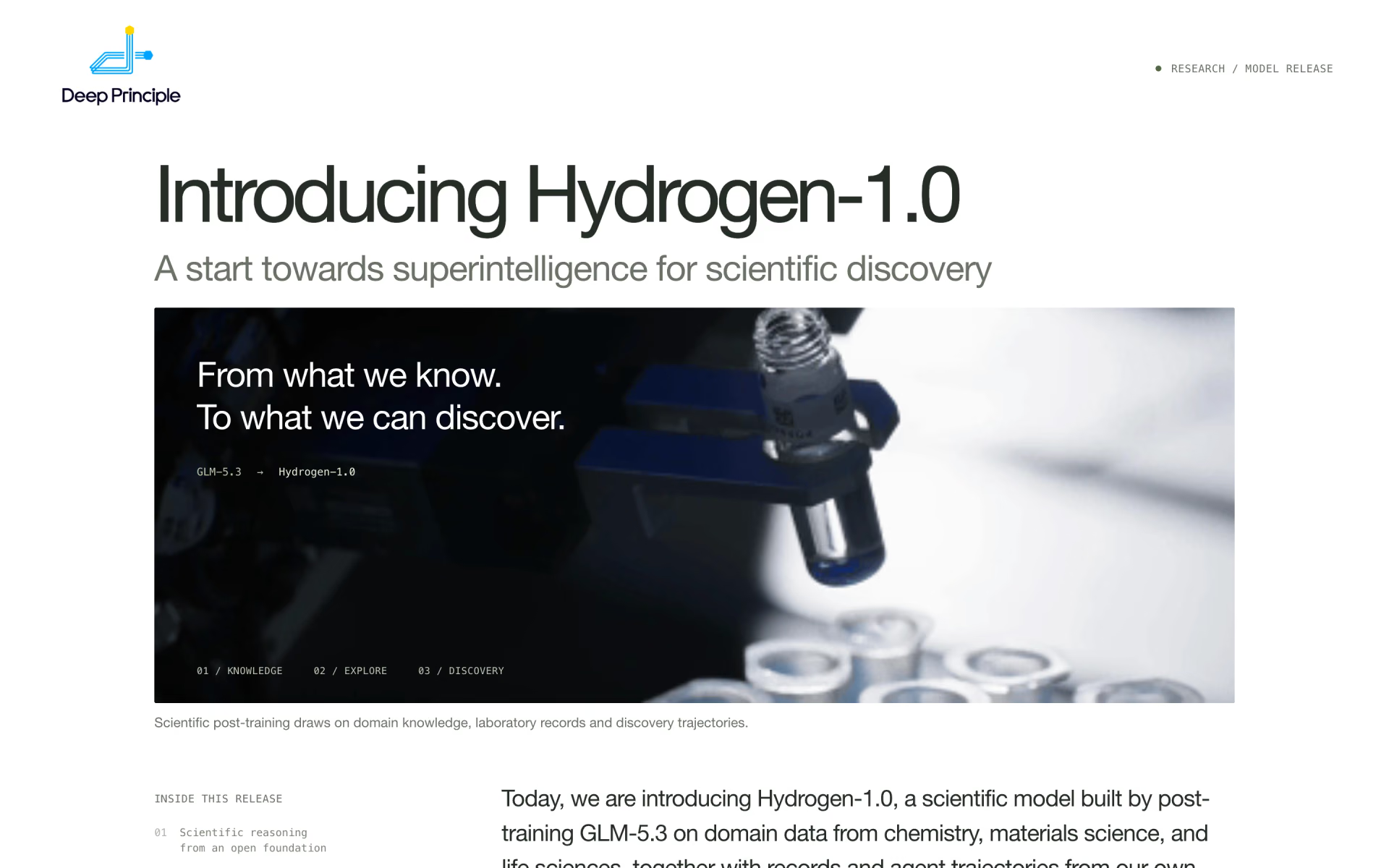
 Hydrogen-1.0
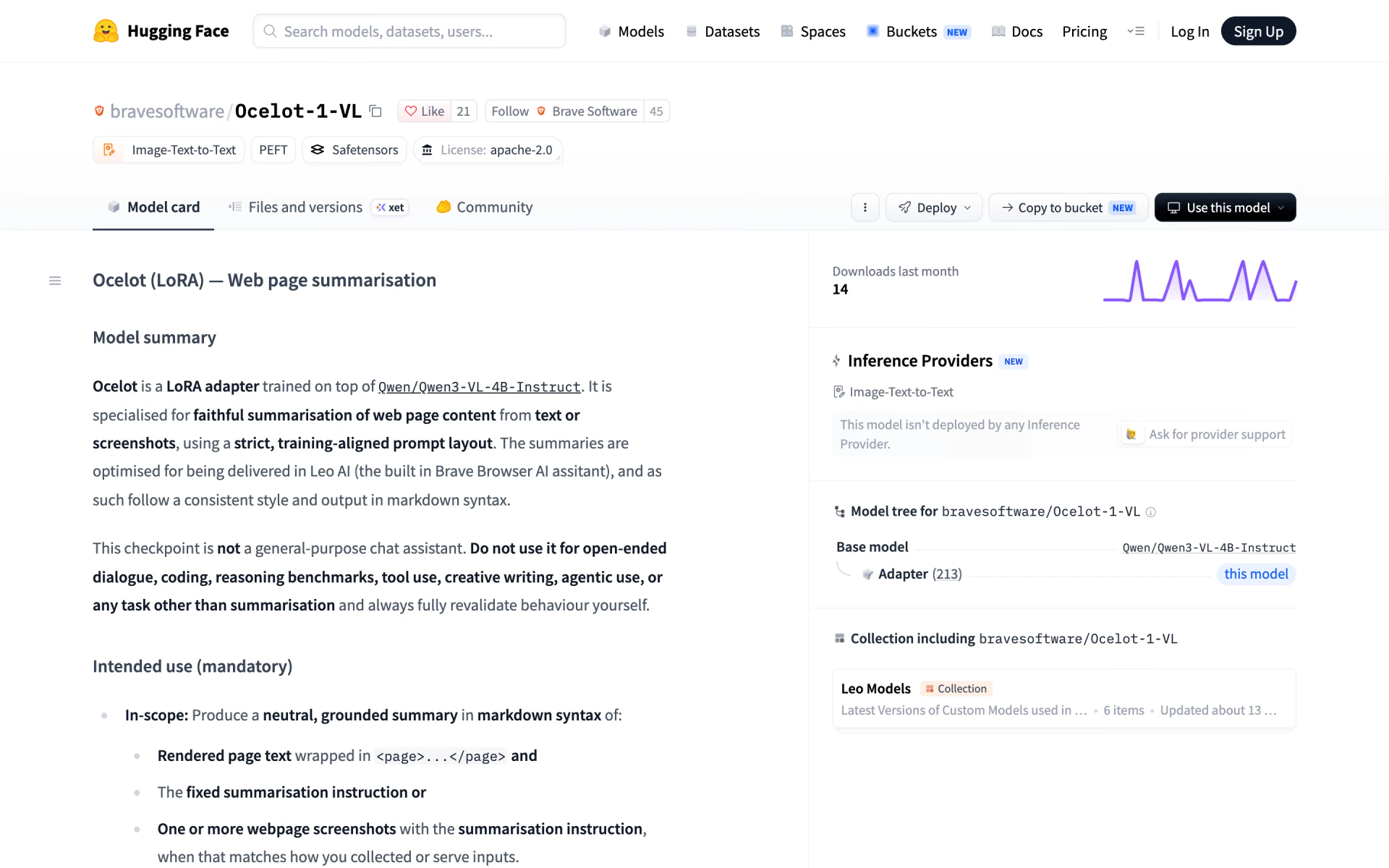
 Brave Ocelot
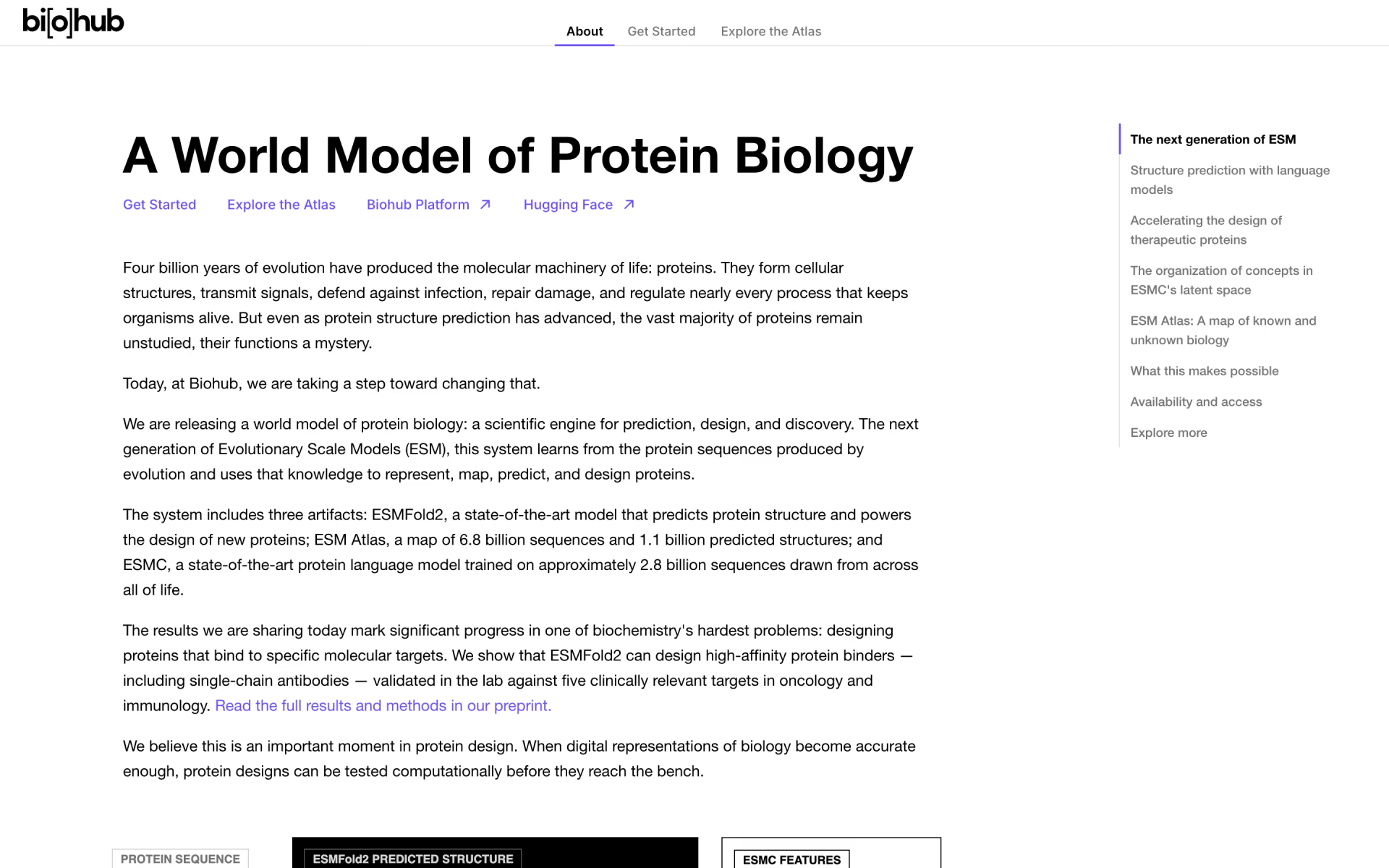
 Biohub ESM
 TRIBE v2

 Leanstral 1.5